
Congress Agenda
*The programme will continue to be expanded and modified.
9:00 – 10:00
Registration of participants
10:00 – 12:00
Plenary Session
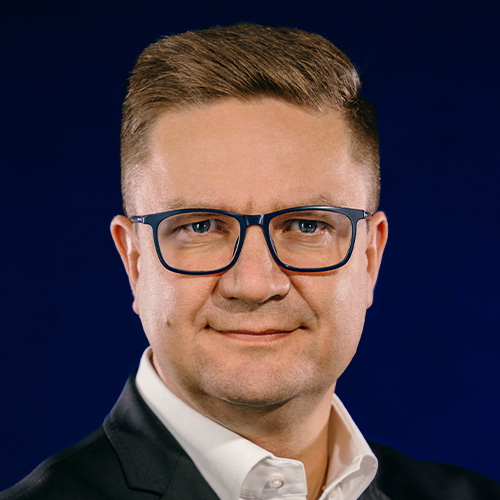
Paweł Kośmider
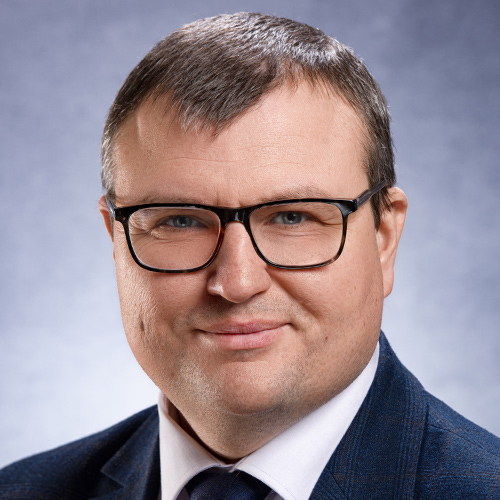
Marcin Jarzyński
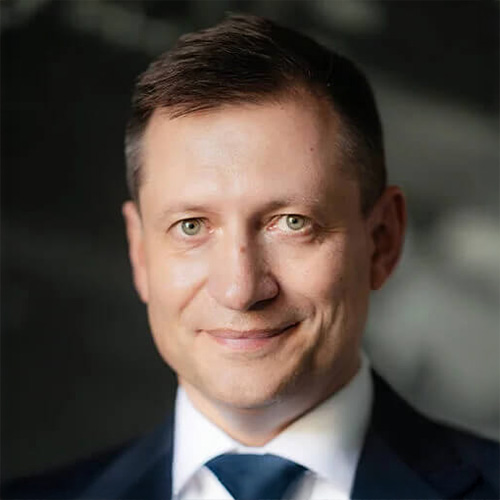
Piotr Ziętara

The title of the paper will be announced shortly
Marcin Jarzyński
From response to resilience. How can we build Poland’s water security by 2035?
Representative
Current funding opportunities for investments in water management and flood protection
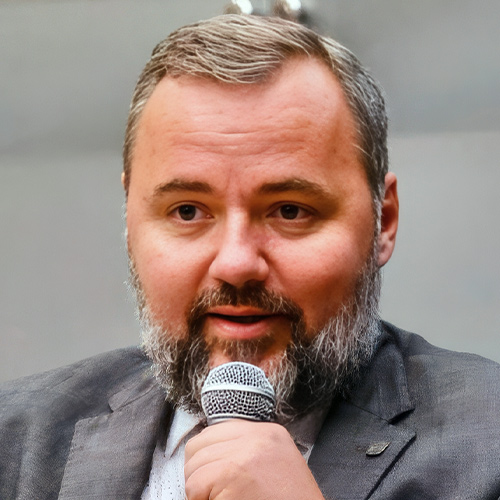
Bartosz Łuszczek
Rainwater and meltwater in the amendment to the Waste Water Directive
The amendment to the Waste Water Directive 2024/3019 focuses primarily on reducing pollution discharged into water bodies via waste water. It also addresses issues relating to urban drainage. The presentation will discuss the Directive’s provisions on rainwater and storm water overflows. It will also outline the challenges associated with transposing the new requirements into national legislation.

Thorsten Schmitz
Climate Change as a Catalyst for Innovation in the Water Sector
The growing demands on water management coincide with ever-greater challenges resulting from increasingly frequent extreme weather events. Smart water management is the foundation of a climate-resilient city. These challenges are exerting strong pressure for innovation in the sector, to which operators, public administration, the scientific community, and industry must respond collectively.
An overview of the latest research projects, their results, and key findings will demonstrate how technical solutions and the water sector as a whole can make a significant contribution to climate change adaptation efforts.
12:15 – 13:00
Debate
A Decade of Retention in Poland – Experiences and a Vision for the Future
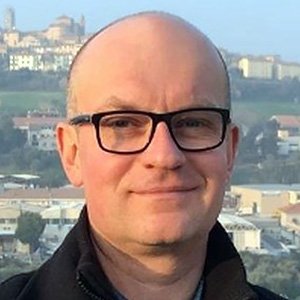
Participants:
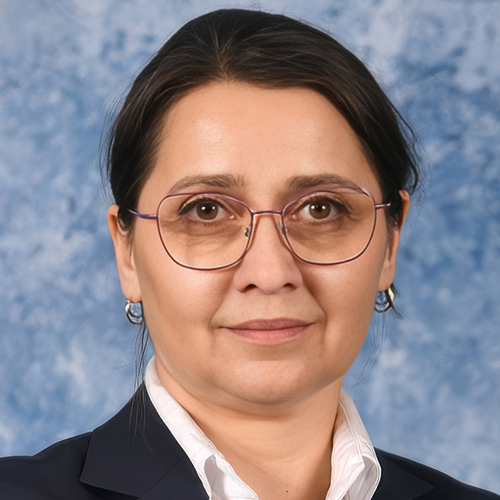
Agnieszka Abrahamowicz
Marcin Jarzyński
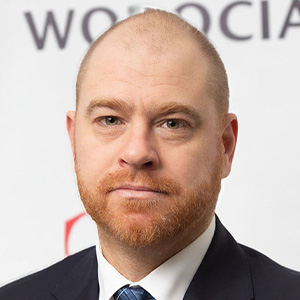
Paweł Sikorski
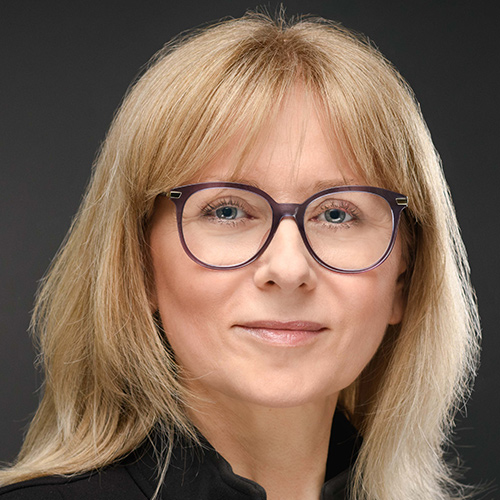
Renata Tomusiak
Piotr Ziętara
Witold Ziomek
13:00 – 14:00
Lunch break
14:00 – 16:30
Session: Rainwater at property developers and in industry
Rafał Błaszczyk
We are building the city’s resilience to rain. Guidelines from GWO MPWiK S.A. in Wrocław—the goal: more retention in urban spaces
For several years now, MPWiK S.A. in Wrocław has been consistently carrying out measures aimed at implementing an effective and coherent system of sustainable stormwater management. The aim of these measures is to increase Wrocław’s resilience to ongoing climate change and to ensure favourable conditions for the city’s social and economic development.
One of the next steps on this path is the update to the Guidelines on Rainwater Management in the City of Wrocław, announced in July this year.
The updated Guidelines address climate-related challenges and clearly emphasise the increasingly widespread approach to treating stormwater from development sites as a valuable resource. This water should be retained where it falls and utilised there.
A common challenge facing investors, designers and contractors today is the shift in approach – from traditional drainage to sustainable stormwater management.
The Wrocław GWO Guidelines introduce consistent principles for the planning, design and assessment of stormwater management solutions, taking into account the entire catchment area. The guidelines promote solutions involving infiltration, detention, retention and the integration of stormwater drainage systems with green-and-blue infrastructure.
The presentation will focus on the main principles underlying the GWO Guidelines of MPWiK S.A. in Wrocław, with particular emphasis on issues such as stormwater balancing, the rules for sizing and calculating GWO components, and the coordination process.
dr hab. inż. Arkadiusz Kamiński
Reclaimed water in industry – The Blue Bridge concept
Water scarcity, climate change and the growing demand for water in industry mean that water recovered from wastewater – including domestic wastewater – following advanced treatment is becoming an alternative source of process water. The expert will discuss the concept of reclaimed water and its potential applications. In modern systems, water recovery rates can reach over 80–98 per cent thanks to the use of RO (Reverse Osmosis) and ZLD (Zero Liquid Discharge) technologies, which play a key role in water treatment and wastewater management. The speaker will highlight the main barriers to implementation, such as variations in water quality, the presence of contaminants, high capital and operating costs (CAPEX/OPEX), microbiological risks, regulatory requirements and public acceptance. He will also outline the potential applications of reclaimed water in industry, including in cooling processes, washing, fuel and hydrogen production, pressure testing, as well as in the remediation and reclamation of degraded sites. He will emphasise the importance of treatment technologies and the role of the end-user in determining quality parameters. During the presentation, the speaker will emphasise that the implementation of solutions depends on investment and operational costs, as well as on an assessment of environmental impact, in order to avoid deteriorating the condition of other environmental components; furthermore, the integration of water recovery into industrial processes is a key element of strategies for sustainable development and adaptation to climate change.
Jacek Czyż
Culture for Water – Stormwater Retention in Green Roof Systems
Dariusz Kosiorowski
Can retention control be self-adaptive?
A key innovation of the proposed solution is the use of machine learning to forecast stormwater inflow and automatically control retention capacity in real time. This allows for a faster response to changing rainfall conditions, reduces the risk of sewer system overload and local flooding, and makes better use of the available reservoir capacity. The system can be pre-trained on synthetic data and then self-adapt based on actual rainfall-runoff events, without the need for constant supervision by specialists.
The solution is designed for local, underground retention systems that can integrate with existing facilities or be implemented as new installations. The collected water can be used for irrigating green spaces and for firefighting purposes. Underground reservoirs save space, reduce evaporation, and protect the water from light exposure, thereby minimizing the growth of microorganisms and the deterioration in water quality typical of open reservoirs.
The system’s localized nature reduces the need for integration with large-scale water supply infrastructure and facilitates its phased implementation. Solutions of this type are envisioned as the future standard for smart stormwater management. The presentation aims to encourage local governments, investors, and designers to apply these solutions in pilot projects as part of an implementation-oriented doctoral program—carried out in collaboration with the Wrocław University of Environmental and Life Sciences and Amiblu Poland, and with the support of the Ministry of Science and Higher Education.
Tomasz Kownacki
From rainfall to retention – comprehensive prefabricated systems for modern stormwater management
How to manage stormwater effectively throughout its entire cycle – from collection and conveyance, through retention, to controlled discharge. Particular emphasis will be placed on the importance of comprehensive prefabricated systems supplied by a single manufacturer, which ensure consistency of solutions, ease of design and operational reliability.
In the face of climate challenges and rising investment costs, solutions based on durable, natural materials such as concrete and steel are becoming increasingly important. These systems are not only environmentally friendly but also cost-effective to purchase and maintain, simple to implement and widely available, making modern rainwater management achievable not only for large-scale projects but also for smaller, more budget-constrained schemes.
Agnieszka Wrzesińska
The benefits of active management and efficient use of rainwater. Effective rainwater management on the development site.
Modern SMART solutions enable the effective planning of rainwater management systems, whilst reducing the required capacity of retention tanks and maximising the use of collected water.
The presentation will outline an approach based on the Wavin WiseDrop solution, which supports active rainwater management and optimises its use within a development. The benefits of implementing this solution will be demonstrated using a water balance analysis prepared for a sample site.
Congress participants will learn how intelligent management of rainwater retention and utilisation can increase the efficiency of developments, reduce infrastructure costs and support the achievement of sustainable development goals.
Edyta Zalewska
The title of the paper will be announced shortly
Michał Rzewuski
The PREFA mobile flood barrier system
18:00 – 20:00
Trip
In the footsteps of Kraków’s green and blue infrastructure
20:00
Dinner
Kolacja Kazimierz
9:00 – 11:30
Session: Flood defence infrastructure – development, modernisation and maintenance
Jacek Drabiński
The Kamieniec Ząbkowicki Reservoir
The presentation will focus on the planned construction of the Kamieniec Ząbkowicki multi-purpose reservoir. It will outline its role in the water management of the Nysa Kłodzka and in the flood protection system of the Odra river basin, as well as the benefits of the project, its impact, technical specifications, timetable and current stage of design.
Maciej Humiczewski
How to combine flood control measures with the preservation of a river’s ecological values

dr hab. inż. Robert Kasperek, prof. UPWr
Selected field and laboratory studies on the Nysa Kłodzka River
The author will present the results of field and laboratory research carried out by the Institute of Environmental Engineering at the Wrocław University of Environmental and Life Sciences on the Nysa Kłodzka River with regard to water management. Environmental flow studies were carried out on this section of the river; these flows are of particular importance to river users and to flora and fauna (minimum flow requirements) during low-water and dry periods. Sediment samples were also collected from the riverbed upstream and downstream of the Nysa–Otmuchów–Kozielno–Topola reservoir cascade, and from the section where the fifth reservoir, Kamieniec Ząbkowicki, is under construction. An analysis of the river sediment of the Nysa Kłodzka is essential in terms of the morphological processes of the river channel, as well as the transport and siltation of the four existing reservoirs and the newly planned Kamieniec Ząbkowicki reservoir. An analysis of the management of sediments deposited in the aforementioned reservoirs will also be presented. The new Kamieniec Ząbkowicki reservoir, in accordance with the guidelines of the Regulation of the Minister of Infrastructure of 2026, requires testing on a physical model. This research is being carried out at the Institute of Environmental Engineering, and the preliminary results will also be presented at the conference.
Weronika Masłowska
Does the Warta River Determine the Safety of Poznań’s Storm Sewer System?
The objective of the analyses was to identify the components of the stormwater drainage system most vulnerable to flooding or loss of hydraulic efficiency under conditions of backwater from the receiving body. Hydraulic modeling of the system’s operation was used under various combinations of boundary conditions: Warta River flood waves and rainfall events with varying probabilities of occurrence and durations.
Particular attention was paid to critical components from the perspective of system operation, such as the terminal sections of collectors, outlets, manholes, pumping stations, retention basins, and other structures whose flooding could affect the operational safety of the entire drainage system.
The presentation will cover a discussion of scenario assumptions, the approach to assessing the vulnerability of network components, and the importance of such analyses for operational planning, monitoring, and preventive measures. This topic fits into the broader context of adapting urban drainage systems to changing hydrological and precipitation conditions, as well as the need to mitigate the risk of flooding in urban areas.
Representative
The title of the paper will be announced shortly

Marta Barszczewska-Skąpska
A new dry reservoir to protect Elbląg from flooding
The presentation will focus on the planned construction of a dry flood retention reservoir on the Srebrny Potok as part of the measures to protect Elbląg from the effects of heavy rainfall and flash floods. The background to the project, the results of hydraulic modelling, and a comparison of the original concept for the retention reservoir with the variant selected for implementation will be presented.
Particular attention will be paid to utilising the reservoir’s full capacity to temporarily absorb the flood wave. The further stages of preparing the project, its significance for residents’ safety, and the need to reconcile the flood protection function with environmental and social considerations will also be discussed.
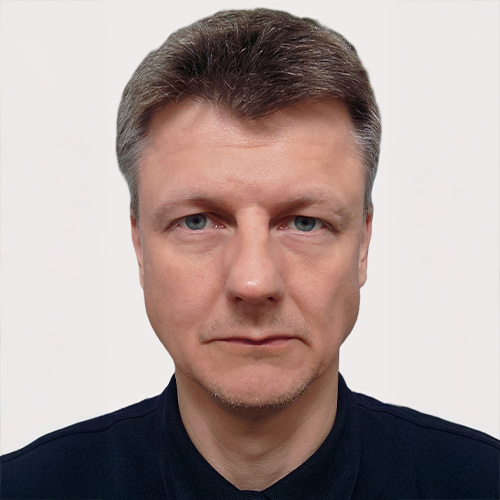
Marcin Skrzypek
Flood hazard maps and flood risk maps from the sea side
Michał Jelnicki
Temporary pumping systems in emergency and capital works situations – practical experience from TPS implementation.
11:30 – 12:45
Debate
The challenges of constructing and maintaining hydrotechnical structures
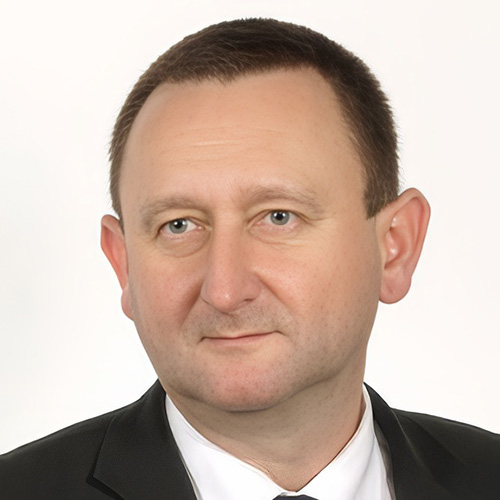
Participants:
Maciej Humiczewski
Jacek Drabiński
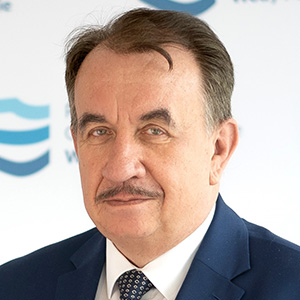
Wojciech Kozak
12:45 – 13:05
Coffee break
13:05 – 14:35
Session: New technologies and tools for GWiOP
The regional wastewater treatment company in Gothenburg and the city of Gothenburg’s water utility have implemented a predictive control system using a model that, during heavy rainfall, optimizes stormwater overflows, retention use, and inflow to the wastewater treatment plant during heavy rainfall, in order to reduce the total annual pollutant loads entering the aquatic environment. The paper will present examples of new information technologies that are increasingly being incorporated into the process of hydrodynamic modelling of drainage systems. Particular attention will be paid to the potential for using artificial intelligence as a tool to support the education and day-to-day work of modellers, and to facilitate the interpretation and understanding of simulation results by the clients themselves. The importance of these new solutions for collaboration between modelling teams and water supply and sewerage companies will also be highlighted, including their role in more effective data exchange, risk identification and investment planning. We live in a world where the internet and AI have accustomed us to expecting instant answers, even to the most difficult questions. The reality of engineering, however, is quite different, although modern tools can significantly reduce the time needed to carry out even highly complex analyses. During the presentation, you will learn about the practical application of Scalgo Live and HEC-RAS in analysing water management in a section of the Barycz Valley. We will discuss in detail the process of collecting and integrating terrain data from a wide range of sources, including archival data, as well as the algorithm used to analyse this data – right through to formulating final conclusions for the client. We live in a world where access to spatial data and the capabilities for processing it are evolving at an unprecedented pace. As a result, tasks that until recently were time-consuming, complex, and required specialized knowledge are now becoming accessible to everyone, enabling decision-making based on reliable data and analysis. Heavy rainfall is increasingly causing localised flooding and flash floods, to which local authorities have only a few dozen minutes to respond. The FLOPRES (Flash Flood Prediction and Prevention System) project has enabled the pilot implementation and testing of modern solutions supporting both emergency response and long-term spatial planning.The title of the paper will be announced shortly
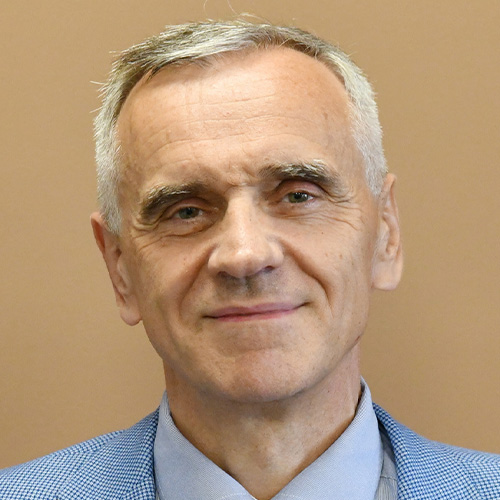
Stanisław Drzewiecki
The title of the paper will be announced shortly
Model-Based Predictive Control—Protecting the City and Reducing Total Pollutant Loads Entering Water Bodies
dr inż. Michał Oktawiec
Hydrodynamic modelling in the age of AI
Jarosław Rosa
The Odolanów Meadows in the Barycz Valley, as captured by Scalgo Live

Michał Pancewicz
DynamicFlood – an innovative approach to the hydrodynamic modelling of flash floods in Scalgo Live
During the presentation, Scalgo’s latest, unique solution—DynamicFlood—will be showcased. It provides a ready-to-use configuration and parameterization of a hydrodynamic model for flash floods for any location in Poland. DynamicFlood integrates data from soil and agricultural maps, land-cover maps, and a digital elevation model, enabling the calculation and analysis of flash floods virtually instantly in a web browser. This solution not only significantly reduces model preparation time but also ensures exceptionally fast computation times—thanks to Scalgo’s carefully designed IT infrastructure based on graphics processing units (GPUs). In practice, this means that you’re just a few clicks away from selecting a watershed to running a simulation.
An expert invites you to attend a presentation that will demonstrate how DynamicFlood shortens the path from data to reliable results.
Learn more about DynamicFlood by visiting scalgo.com. 
Anna Sowa-Jadczyk
From storm to decision. How FLOPRES supports local authorities in mitigating the risk of flash floods
This presentation will summarise the project’s key results and the lessons learnt from its pilot implementation. It will showcase solutions supporting day-to-day risk management – utilising a network of IoT sensors, hydrological and meteorological data, and real-time analysis – as well as tools to support spatial planning and the development of green retention infrastructure.
The presentation will highlight experiences from the project’s pilot implementation, the key challenges faced by local authorities, and recommendations that could be applied in other regions at risk of flash floods.
14:35 – 15:25
Lunch break
15:25 – 16:45
Session: Rainwater – not just in the city
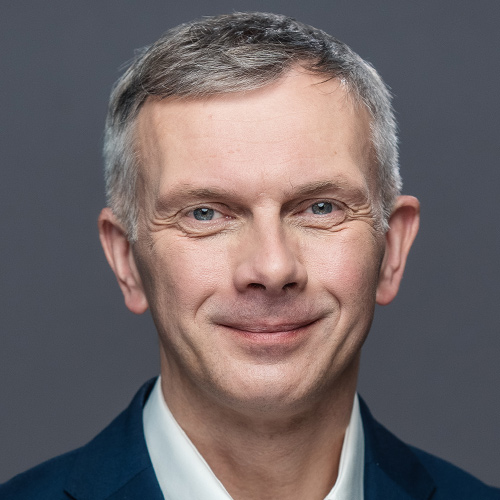
dr inż. Wojciech Szpakowski
The law versus reality. Do we still have a problem with petroleum-derived substances in rainwater?
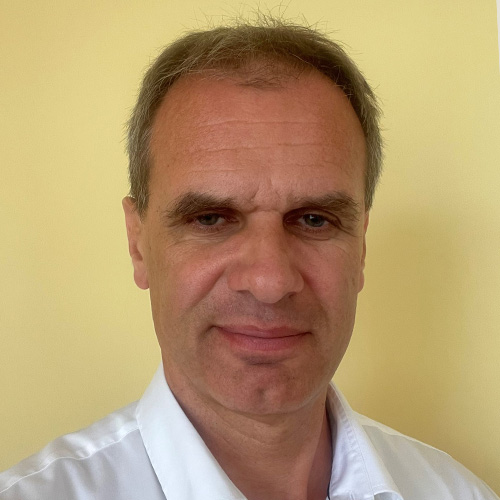
dr Paweł Mrowiec
Sanitation services under an in-house contract
Observed climate change, increasingly frequent extreme weather events and growing pressure on urban municipal infrastructure mean that effective stormwater management is becoming one of the key elements in building the resilience and safety of modern cities. Although underground infrastructure is invisible to residents in their day-to-day lives, it plays a fundamental role in reducing the risk of flooding, protecting property, ensuring the city’s continued functioning and maintaining an appropriate standard of living.
Using the municipality of Czechowice-Dziedzice as an example, the expert will present experiences relating to the implementation of tasks under the ‘in-house’ model, which enables the efficient planning, maintenance and development of the stormwater drainage infrastructure by Przedsiębiorstwo Wodociągów i Kanalizacji Sp. z o.o. in Czechowice-Dziedzice. The benefits of direct network management will be discussed, including faster response times to emergencies, effective use of operational data, better coordination of maintenance activities and long-term cost optimisation.
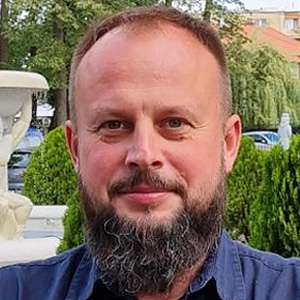
Marcin Łukaszewicz
From a hydraulic assessment to strategic retention investments – the combined sewer system in Kraków.
The presentation will discuss the methodology for identifying problem areas, prioritising tasks and selecting technical solutions based on hydraulic analyses, spatial constraints and operational requirements. Particular attention will be paid to projects currently in the planning or implementation stages.
The first key project is the construction of an underground retention tank beneath Napoleon’s Great Army Square, which will be designed to temporarily store excess wastewater during heavy rainfall and relieve pressure on the sewerage system in the very centre of Kraków.
The second – the modernisation of ten storm water overflow chambers, continuing the work previously carried out to improve outflow regulation, enhance control over the operation of the overflows and make use of channel retention.
The third project is a proposal to build a retention reservoir near Błonie, which is being considered as a strategic solution for the northern and western parts of the city, requiring a balance to be struck between its technical function and the protection of the area’s landscape, recreational and spatial qualities.
The presentation will demonstrate that effective retention management in combined sewer systems requires a systematic approach, phased investment and close integration of hydraulic modelling, spatial planning, automation and infrastructure operation.

Witold Sumisławski
Wrocław: a city that is learning to cope with the rain
Following years of analysis, the Strategy for the Management of Rainwater and Snowmelt in Wrocław has now entered the implementation phase. The methodologies developed and applied to define specific tasks have proved their worth in practice. A systematic approach, based on multi-criteria analyses and the selection of solution options following option analyses, has enabled activities to be concentrated on the most sensitive areas – wherever measures yield the greatest benefits in terms of adapting the city to climate change and improving the quality of life of its residents. The speaker will focus on this aspect of the Strategy, providing selected examples, including:
- how the results of hydrological and hydrogeological modelling have influenced local planning schemes, and why the ground is no longer ‘flat’ for urban planners,
- how to plan coherent measures for the entire river catchment area,
- how to restore drying-up ponds to their retention and social functions.
16:45 – 17:30
Debate
Outsourcing stormwater management services in a small local authority. Various forms, legal and organisational options
Moderator:

dr Jędrzej Bujny
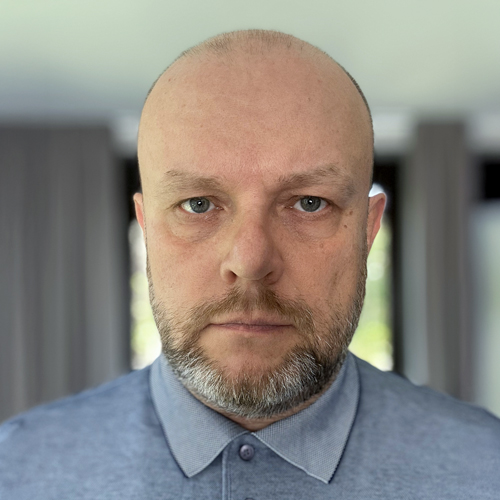
Grzegorz Gałabuda
Participants:

Paweł Dąbrowski
dr Paweł Mrowiec
dr inż. Wojciech Szpakowski
20:00
Gala ceremony, TYTAN 2026 awards
Kopiec Kościuszki