
Technical trip
The Soła Cascade – a unique system of reservoirs and dams
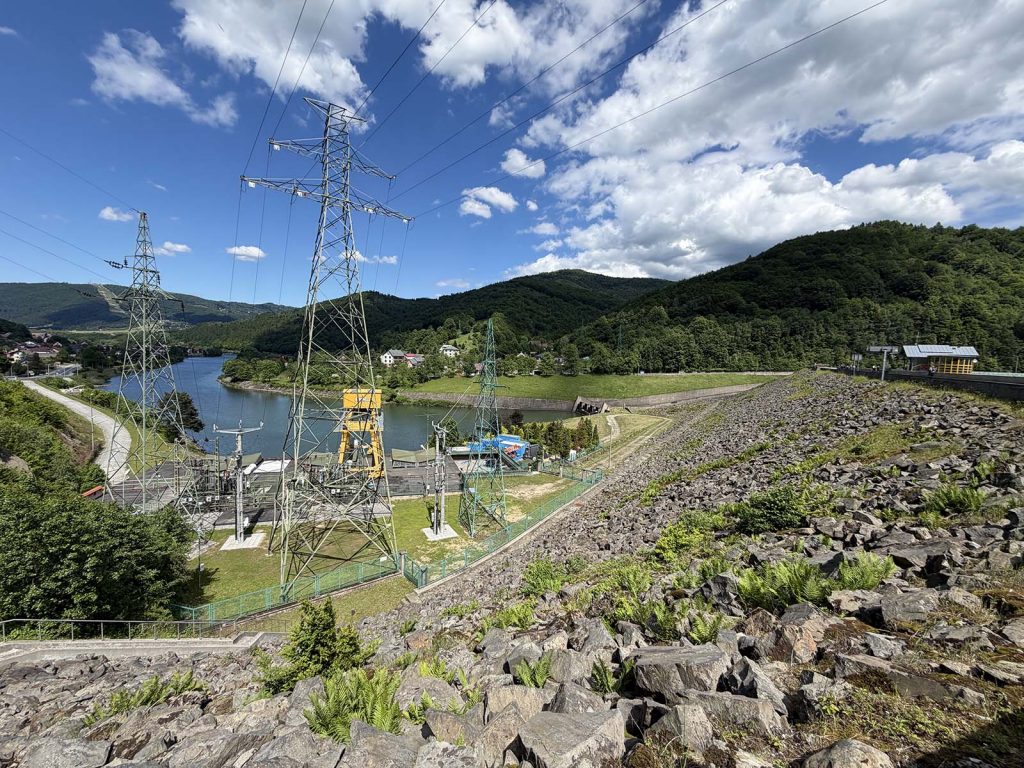
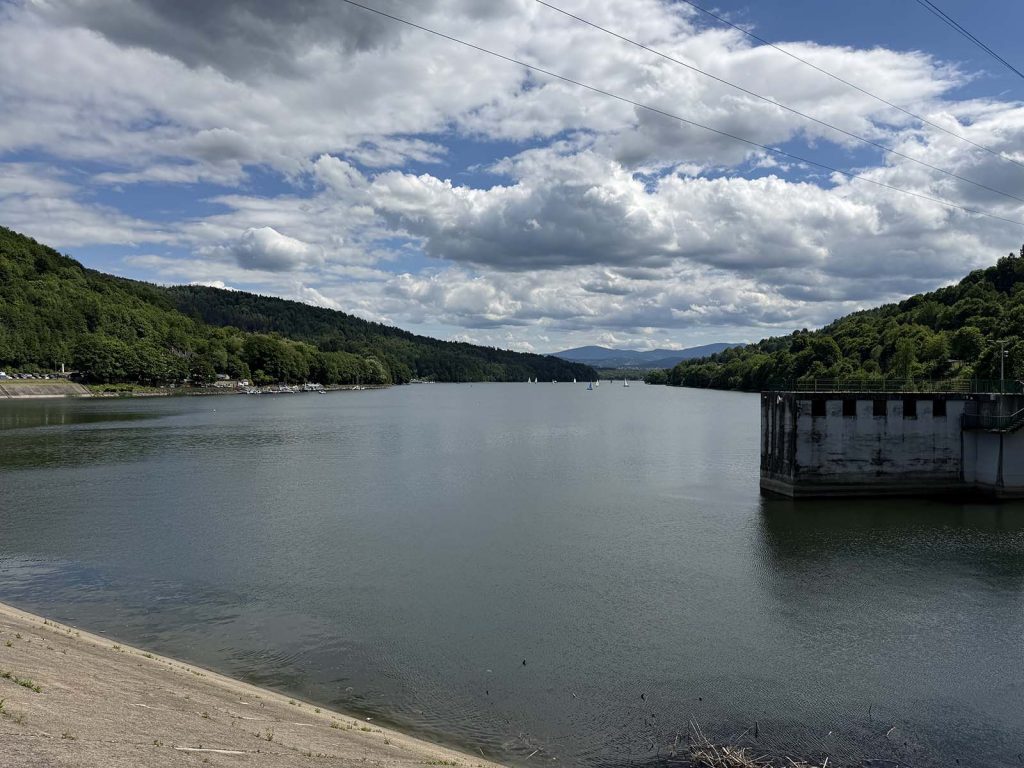
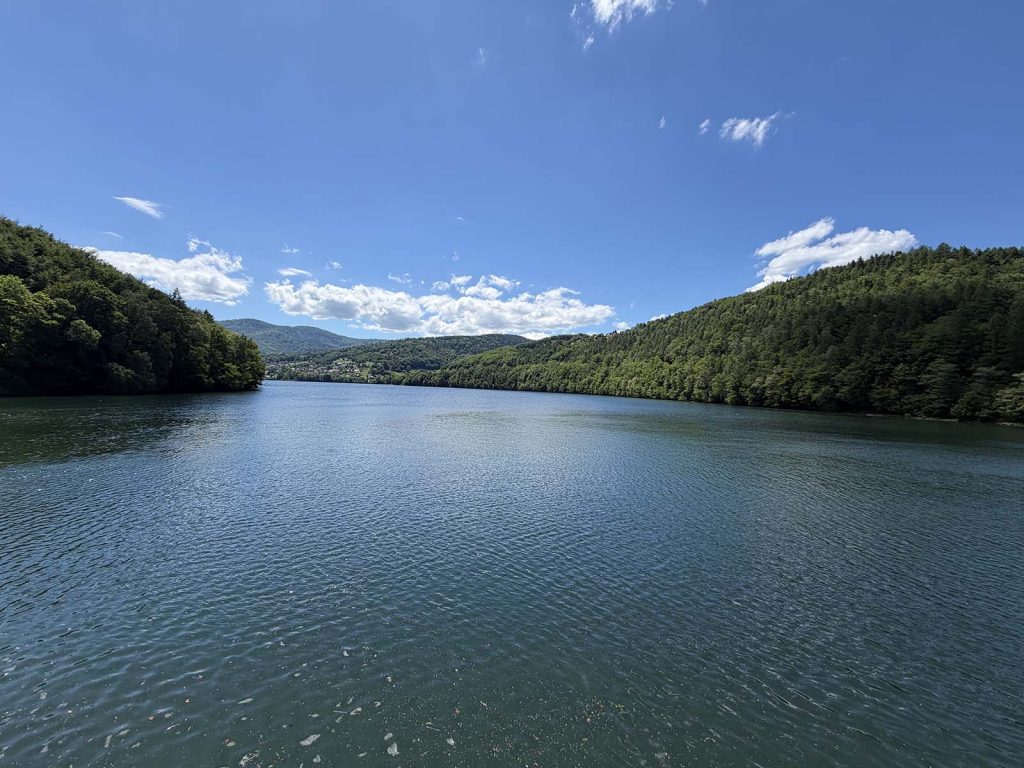
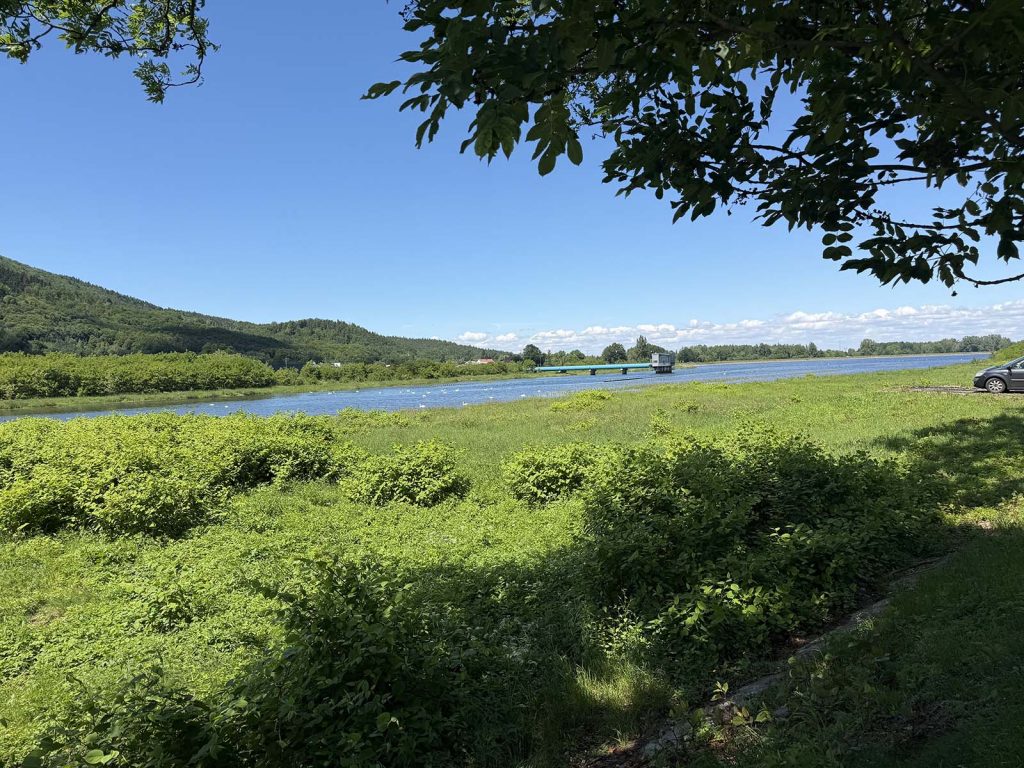
The cascade plays a key role in the water management of southern Poland. Its purpose is to regulate flow in the Upper Vistula, provide flood protection, supply water to most of the Silesian conurbation, and generate electricity. Thanks to its construction, the risk of flooding has been reduced, biological flow in the river has been ensured, and the picturesque reservoirs have also become an important destination for leisure and tourism in the Little Beskids.
During the trip, participants will have the opportunity to see the three structures that make up the Soła Cascade:
– The Tresna Reservoir (Lake Żywieckie) – the highest point in the cascade, comprising an earth dam and a hydroelectric power station. Commissioned in 1967, it primarily serves flood control and water retention purposes, protecting the areas situated in the Soła valley.
– The Porąbka Reservoir (Lake Międzybrodzkie) – the oldest structure in the cascade, built between 1921 and 1936. The concrete dam, 260 metres long and 38 metres high, was built in a natural narrowing of the Soła Valley. Adjacent to the reservoir is the Porąbka-Żar Pumped-Storage Power Station – one of the few facilities of its kind in Poland.
The Czaniec Reservoir (Lake Czanieckie) – the final element of the cascade, built between 1958 and 1966 as a regulating reservoir. It serves as an important drinking water reservoir for the Katowice and Bielsko-Biała conurbations, and its function is also to regulate the flow of the Sola River downstream of the dam.
The trip will be a unique opportunity to gain a practical insight into the workings of one of Poland’s most important hydrotechnical systems and to see at close quarters the facilities that have for decades combined flood protection, water retention, energy generation and water supply. It is also an opportunity to visit one of the most beautifully situated hydrotechnical complexes in the country, set against the backdrop of the Little Beskids. The trip will also serve as the final highlight of the GWiOP 2026 Congress. After it concludes, the coach will take participants back to their hotels, and those interested will also be taken to Kraków Main Station.