Congress Agenda
*The program is subject to change.
8:30 – 9:30
Registration of participants
9:30 – 9:55
Opening of the Congress
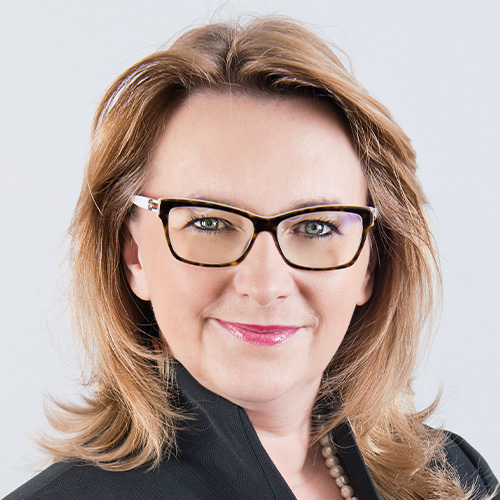
Monika Socha-Kośmider
Opening of the Congress
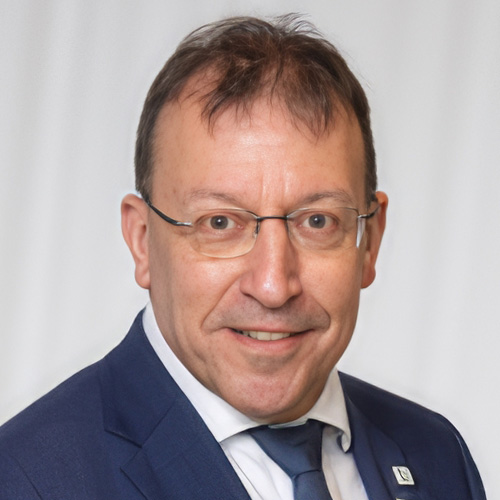
Johan Mignon
Welcome to the Congress participants
9:55 – 12:35
Plenary Session
W obliczu rosnącego znaczenia odporności infrastruktury oraz potrzeby zwiększania bezpieczeństwa ludności coraz częściej analizowana jest możliwość wykorzystania istniejących obiektów podziemnych jako miejsc czasowej ochrony. Ekspert zajmie się problem adaptacji tuneli, obiektów infrastrukturalnych oraz historycznych wyrobisk podziemnych do funkcji ochronnych. When assessing the impact of new projects on adjacent structures, it is necessary to determine the current condition of the monitored structure and to conduct preliminary measurements (prior to the start of construction). Monitoring is often carried out using non-standard techniques and measurement point locations due to the specific nature of the work or the condition of the structure. This presentation will present experiences from several projects carried out in the center of Warsaw in the vicinity of metro stations and tunnels, as well as other underground infrastructure. The assumptions and components of various monitoring systems used during project implementation will be discussed, enabling the verification of calculations and the prediction of impacts on underground infrastructure. One of the analyzed projects was partially founded on the metro station structure using a grating to transfer loads to the station ceiling. The monitoring method used to verify that the permissible additional loads transferred to the metro station ceiling by the project were not exceeded will be discussed. Iniekcja kompensacyjna Soilfrac jest technologią służącą do aktywnej kontroli przemieszczeń gruntu podczas realizacji tuneli w warunkach miejskich. Ekspert omówi genezę i zasadę działania technologii, rolę monitoringu oraz doświadczenia z realizacji w Polsce i na świecie. Na przykładzie Tunelu Średnicowego w Łodzi przedstawiono praktyczne wyzwania związane z prowadzeniem, odbiorem i rozliczaniem robót, których celem jest zapewnienie bezpieczeństwa zabudowy, przy czym najlepszym rezultatem pozostaje brak widocznych uszkodzeń i deformacji. Surveying, like construction, has been part of society since ancient times, serving as a practical application of geometry in the field. It is surveyors, land surveyors, and geomatics specialists who ensure the correct location (georeferencing) and orientation of construction project axes, along with their proper relationship to existing or future infrastructure. It is thanks to them that analyses and designs can be carried out on up-to-date map bases, taking into account the property rights of the areas being analyzed. It is specialists in the field of surveying who enable an effective construction process that complies with specified tolerances, regardless of the scale of the project. Growing requirements for infrastructure safety and control of the environmental impact of investments are driving demand for fast and reliable methods of monitoring displacement. Traditional geodetic measurements, despite their high accuracy, often involve a lot of field work and limited observation frequency. An alternative is offered by techniques based on satellite data and unmanned aerial vehicles (UAVs), which enable more continuous and cost-effective monitoring. Co-authors: Tomasz Hadaś, Grzegorz Jóźków, University of Life Sciences in Wrocław
prof. dr hab. inż. Maria Kaszyńska

prof. dr hab. inż. Anna Siemińska-Lewandowska
Signing of a cooperation agreement between:
– the Polish Association of Civil Engineers and Technicians
– the Subcommittee on Underground Construction of the Polish Geotechnical Committee
prof. dr hab. inż. Andrzej Szarata
The Kraków Metro: A Systemic Approach Amid Urban Planning Constraints
dr inż. Jerzy Lejk
Preliminary design work for Metro Line 4, including a maintenance and layover station in Warsaw
prof. dr hab. inż. Marek Borowski
Adaptation of existing underground facilities for civil protection purposes – technical barriers and design options
Omówione zostaną kluczowe bariery techniczne i projektowe, w tym: ograniczenia kubaturowe, szczelność obudowy, wymagania w zakresie ewakuacji oraz czas bezpiecznego przebywania ludzi w warunkach ograniczonej wymiany powietrza. Szczególna uwaga zostanie poświęcona zagadnieniom wentylacji oraz różnicom pomiędzy wentylacją bytową, pożarową i systemami umożliwiającymi czasową izolację przestrzeni podziemnej, z uwzględnieniem bilansu CO₂/O₂ oraz scenariuszy przebywania ludzi.
W referacie przedstawione zostaną również różnice funkcjonalne pomiędzy klasycznym schronem ochrony cywilnej a doraźnym miejscem schronienia, ze wskazaniem realnych możliwości oraz ograniczeń adaptacyjnych istniejącej infrastruktury podziemnej. The presented conclusions may serve as a starting point for developing design standards for future infrastructure investments, taking into account the potential for converting the functions of buildings.
dr hab. inż. Paweł Popielski, prof. PW
Impact on subway facilities and underground infrastructure – the role of monitoring and observational methods in assessing and forecasting the impact of new projects
Paweł Szmyt
Geoengineering in the Age of the Energy Transition: Installation Terminals for Wind Farms and Service Ports
Marcin Itczak
Rafał Sobczyk
Soilfrac Grouting – Facts and Myths. Experiences from the Łódź Cross-City Tunnel
dr hab. inż. Tomasz Lipecki, prof. AGH
The Role of Surveying in the Proper Execution of the Investment Process
Any structural or ground deformations that alter their geometry during construction also fall within these specialists’ purview. And once construction is complete, they are the ones who conduct the as-built survey to verify compliance with the design specifications and the building permit. Surveyors are the first on-site, even before construction begins, and the last to leave after conducting final inspections. They also monitor the condition of structures during their operation, examining deformations caused by natural factors (e.g., landslides) and anthropogenic factors (e.g., mining operations). As the current manager of Poland’s largest geodata databases describing geospatial relationships and attributes (also made available through geoportals), the surveyor is an indispensable specialist in every project, ensuring through their expertise the reliability of the measurements and analyses on which a range of other services—not just construction-related ones—rely. 
dr inż. Natalia Wielgocka
Satellites and drones—is it possible to monitor progress on construction projects at a reasonable cost?
This presentation will explore the potential applications of UAV photogrammetry, laser scanning, and satellite radar interferometry (InSAR) for identifying and analyzing ground deformation and the displacement of engineering structures. These methods allow for the observation of changes both on a regional scale, enabling the detection of long-term surface deformation trends, and on a local scale, which is crucial for monitoring structures, linear infrastructure, and underground construction projects.
For structures requiring continuous displacement monitoring, stable point measurements are of particular importance, as they provide direct observation of positional changes over time. GNSS techniques play an important role in this regard, allowing for continuous observation of selected control points and structural elements. Technological advances in recent years have made low-cost receivers accurate enough for many engineering applications, providing a viable alternative to expensive surveying-grade solutions. The paper presents a proprietary GNSS receiver designed, among other things, for monitoring movements.
12:35 – 13:15
Coffee break, tour of the exhibition
13:15 – 14:30
Panel discussion
The opinion of an independent expert in the mediation process—support for the parties and the mediator, or a source of further dispute and unnecessary costs?
Speakers:
Tomasz Latawiec
UCZESTNICY:
Andrzej Grabiec
Łukasz Kosmala
Jerzy Sawicki
Artur Woźnicki
14:30 – 15:45
Lunch break, tour of the exhibition
15:45 – 17:00
Panel discussion
Geological, mining, and construction law – regulatory consistency as the foundation for efficient investment implementation
Speakers:

prof. dr hab. inż. Marek Cała
Prof. dr hab. inż. Anna Siemińska-Lewandowska
20:00 – 1:30
The TYTAN 2026 Awards Ceremony
Designing foundations for structures on mineral-organic soils, such as gyttja, involves a number of serious geotechnical challenges. This is very often due to a limited (formulaic) and therefore inadequate assessment of soil conditions. Incomplete and/or misinterpreted data lead to mounting problems on the construction site, with serious consequences (and costs). These problems stem from the properties of the soil, which are determined by its composition (organic matter, organic remains, calcium carbonate, mineral particles) related to its origin (limnic sediments, sapropel), its structure resulting from sedimentation conditions (heterogeneous, spongy structure), and characteristics associated with diagenesis and age (e.g., thixotropy). Gytie are characterized by high variability in occurrence (variable thickness), but usually within a limited spatial distribution (within the boundaries of the sedimentary basin). These soils are characterized by low shear strength and high compressibility, associated with high shrinkage potential and sensitivity to dynamic loads. In standard in-situ investigations or laboratory tests on gyttja, seemingly high strength parameters are often obtained (but with large deformations), which may suggest “better” foundation conditions, indicating apparent opportunities for optimizing the solution. The latest advances in foundation engineering highlight the growing demand for effective, low-impact, and high-performance drilling technologies. The presentation will discuss Vibrodrill technology—a rotary-vibration drilling drive developed by Terra Infrastructure (formerly thyssenkrupp), currently recognized as one of the most significant technological innovations in the field of deep foundation engineering. The presentation will outline the key implementation factors for the project. Particular attention will be paid to geological and hydrogeological aspects, which significantly influenced the chosen technical solutions and the organization of the work. Ekspert przedstawi geotechniczne aspekty realizacji wysokościowca „The Bridge” w Warszawie, gdzie czterokondygnacyjny wykop o głębokości ok. 18 m wykonano w ścisłej zabudowie miejskiej i przy wysokim poziomie wód gruntowych. Keller Polska, jako lider geotechniki w Polsce, zrealizował kompleksowy system posadowienia typu pile-raft foundation, oparty na ścianach szczelinowych, baretach fundamentowych oraz poziomej przesłonie przeciwfiltracyjnej w technologii jet grouting, tworzących układ technologicznie szczelny. Kluczowe znaczenie miała integracja projektowania z wykonawstwem, etapowanie robót oraz zastosowanie tymczasowej platformy roboczej optymalizującej logistykę budowy. Przykład ten pokazuje, jak zaawansowana geotechnika umożliwia bezpieczną realizację głębokich wykopów w wymagających warunkach miejskich. Hydraulic engineering projects undertaken in Poland in recent years have been characterized by increasing boldness, ambition, and technical scale. One such project is the construction of the Baltic Hub. This presentation provides a technical overview of the monitoring of flap anchors carried out during intensive dredging, backfilling, and installation work—under conditions of variable loading in a marine environment. Dynamic technological development in the field of building materials chemistry opens up new opportunities for introducing innovative technological solutions. The same applies to geotechnics. The ground, as an integral part of every building structure, is subject to various processes throughout the entire life cycle of the structure – changes in the groundwater level, settlement resulting, for example, from construction errors or increased loads, frost cycles, or soil erosion. These phenomena can lead to structural deformation, excessive settlement, cracking, and other damage. The modernization or construction of new sections of railway lines, particularly high-speed and very high-speed lines, in southern Poland—where the routes pass through hilly and mountainous terrain—poses a significant engineering challenge, often requiring the use of advanced geotechnical solutions. An integrated waste management model should be based on three main principles: waste prevention, ensuring reuse, and waste disposal. The presentation will describe the main categories of industrial waste found in landfills: When planning a project using diaphragm walls, the designer follows the recommendations and limitations set forth by design standards, as well as other guidelines describing, among other things, the maximum permissible displacements of the retaining structure. To limit deformations during construction, ground anchors, steel struts, or strut-supported slabs are used, among other measures. By utilizing prestressing technology, the author proposes an alternative method for constructing the underground portion of the project within a diaphragm wall enclosure. This proposal is based on the concept of one-sided prestressing of beams during construction. The results of model tests based on the author’s solution to the problem will be presented, including current implementation possibilities, limitations of the method, and the advantages of the presented concept in terms of schedule savings.9:30 - 12:00
Session I
dr hab. inż. Tomasz Godlewski, prof. ITB
“Strong soils with poor recognition” – i.e., risks associated with foundation in gyttja
dr hab. inż. Jędrzej Wierzbicki, prof. UAM
Geostatistics in practice – on the separation of homogeneous geotechnical layers and filling gaps in soil reconnaissance

Johannes Müller
From Copenhagen to Hong Kong – practical experience with rotary vibration drilling technology
Vibrodrill combines controlled torque with applied vertical vibrations, resulting in better ground penetration, lower drilling resistance, and greater tool stability compared to conventional rotary drilling drives. The speaker will compare various drilling drive concepts—purely rotary, top-hammer, and vibration-assisted—in terms of drilling performance, energy efficiency, tool-soil interaction, and operational limitations. Significant emphasis will be placed on practical experience gained in international infrastructure projects.
The case studies will include, among others, the construction of the Nordhavns Tunnel in Copenhagen and large-scale foundation work in Hong Kong and Italy, demonstrating the effectiveness of Vibrodrill technology in a variety of soil and rock conditions. The presented design data will illustrate tangible benefits, such as increased work efficiency, reduced tool wear, lower noise levels, and reduced vibration transmission to the surrounding area, as well as greater reliability in project execution.
Developed and manufactured in Germany, the Vibrodrill exemplifies “Made in Germany” engineering in international applications. Its integration with carrier machines from many global manufacturers—including Casagrande, Comacchio, Hütte, HD, Klemm, Marini, Beretta, CZM, and MAIT—confirms the solution’s versatility and growing acceptance in the global foundation market.
The presentation will conclude with a discussion of potential directions for the development of vibration-assisted drilling and its role in addressing the technical and environmental challenges of modern geotechnical projects.
dr Marcin Witowski
Advanced measurement techniques in geotechnical laboratories: trends and applications in soil testing
Barbara Michalska
Construction specifications for the Wyrzysk bypass along the S10 expressway
Bartłomiej Sieradzki
The Bridge: A Geotechnical Puzzle in the Heart of Warsaw
Michał Maj
Monitoring of flap anchors during the construction of the T5 Baltic Hub terminal
The presentation will cover a comprehensive approach to anchorage instrumentation using strain gauge technology, measurement system configuration, and data acquisition and quality control. Based on actual results from selected anchors, axial forces and bending moments at various stages of construction will be discussed, along with their correlation with the construction schedule and FEM calculation assumptions.
This case study demonstrates how monitoring can serve as a tool for engineering verification of a design model, support for construction decisions, and a source of knowledge about the actual performance of the wall-anchor system.
Oskar Nojszewski
Practical examples of geopolymer injection applications for infrastructure
Darosław Demski
Effective Soil Stabilization and Reinforcement – Polymer Injection in Engineering Practice
To counteract this, work is underway to reinforce the soil. In traditional methods, such as compaction, DSM, or jet grouting, cement- or silicate-based materials are primarily used. Mineral materials perform well in many applications, but they also have significant technological limitations:
are sensitive to the presence of water in the soil, especially flowing water,
are characterized by a relatively long setting time,
When applying them, do not use too much pressure—they effectively fill larger voids in the soil but do not penetrate deeply into its structure.
A complementary approach to mineral-based technologies is the method of soil reinforcement using polymer injections. In this technology, polymer resin—most commonly highly modified polyurethane resin—is injected into the soil under pressure. Its advantage lies in its ability to penetrate the soil structure and form a resin-soil composite with high compressive strength.
The material is applied using a two-component injection pump through injection lances of the appropriate length. An additional advantage is the very short reaction time—the resin sets within a few dozen seconds (this time can be adjusted), and the material itself remains unaffected by the presence of water in the ground, even when water is flowing. 
Piotr Walczak
Selected geotechnical problems, issues, and solutions in railway construction in southern Poland
Examples of such projects include the ongoing modernization of railway line No. 104 on the Chabówka–Nowy Sącz section and the upcoming construction of new lines: No. 622 (Węgrzyce Wielkie–Tymbark), 623 (Fornale–Szczyrzyc), 627 (Baliachówka–Podłęże), and 628 (Porąbka–Stróża). These investments are part of the so-called “Podłęże–Piekiełko” system. Key challenges facing engineers, including geotechnical engineers, include: stabilizing and securing areas at risk of landslides, constructing retaining structures to allow for the undercutting of slopes and embankments, building tunnel portals, providing protection against rockfalls, foundation work for engineering structures, and reinforcing the subgrade.
Translated with DeepL.com (free version)12:00 - 12:30
Coffee break
12:30 - 14:45
Session II
dr inż. Agnieszka Stopkowicz
Stability assessment and safety design for deep excavations in Carpathian flysch conditions
The presentation will discuss the role of reconnaissance, mapping, and the evaluation of rock mass parameters as the basis for constructing geotechnical models, with particular emphasis on data uncertainty and its impact on stability assessment. Approaches to determining computational parameters and the selection of constitutive models and analysis methods, including limit equilibrium methods and numerical methods, will be discussed.
Particular attention will be devoted to the practical aspects of designing deep excavation support in Carpathian flysch conditions, including the selection of structural solutions in terms of their effectiveness and the applicability of observational methods. The role of integrating research results, field observations, and computational analyses in the design decision-making process will be emphasized.
prof. dr hab. inż. Joanna Bzówka
Selected topics related to injection columns
This paper will present useful information on jet grouting and examples of jet grouting applications in Poland over the past dozen or so years. A theoretical approach for predicting the diameter of injection columns will also be presented. Furthermore, the possibilities and limitations associated with the use of one of the so-called soft computing methods, namely artificial neural networks (ANNs), will be presented.
dr hab. inż. Sławomir Kwiecień, prof. PŚ
Dynamic replacement – practical aspects of application
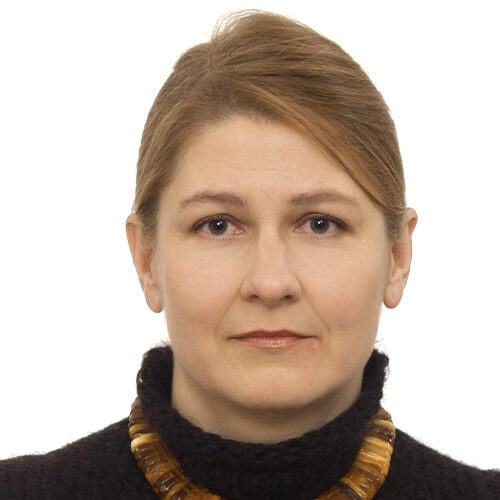
prof. dr hab. inż. Katarzyna Zabielska-Adamska
Industrial waste in geotechnical applications
– waste from the flotation enrichment of non-ferrous metal ores,
– post-flotation waste and other waste from the washing and processing of minerals,
– waste from power plants and other combustion facilities,
– waste from the extraction of minerals other than metal ores, as well as slag from smelting processes and waste from the construction industry.
The geotechnical properties of these materials will be discussed, and their most important applications in earthworks will be highlighted.
The geotechnical properties of waste materials used in earthworks often exceed those of mineral soils with comparable grain sizes. Industrial byproducts and waste materials are therefore valuable anthropogenic soils with a wide range of applications. 
dr inż. Mateusz Frydrych
The Use of Beam Compression Technology in the Design of Diaphragm Walls
Translated with DeepL.com (free version) 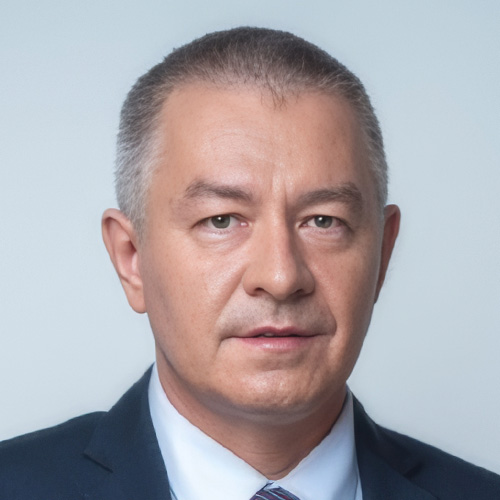
dr hab. inż. Marian Łupieżowiec, prof. PŚ
The Effect of Geomats on the Stability of High Road Embankment Slopes
The rapid development of road infrastructure in Poland, including the construction of the Via Carpatia route, necessitates the construction of tunnel structures under complex geological and engineering conditions. A notable example is the T-1 tunnel on the S19 expressway. The structure is being built in Carpathian flysch, characterized by high lithological variability, the presence of tectonic disturbances, and complex hydrogeological conditions. The presentation will discuss all the technical challenges encountered during this major project, as well as the technical solutions developed for the use of ultra-high-strength steel fibers in tunnel lining segments. The Grand Paris Express consists of four new metro lines in Paris—numbers 15, 16, 17, and 18—connected to the existing network, extending lines 11 and 14 for a total length of 200 km, 90% of which runs underground. Sixty-eight new stations have been built, capable of serving over two million passengers per day. The entire project will cost approximately 36 billion euros and is scheduled for completion in 2030. The design and construction of tunnels using tunnel boring machines (TBMs) (segmented lining tunnels) depend primarily on the type of ground (hard rock, weak rock, soft soils, cohesiveless soils, hydrogeology, etc) where the work will be carried out. The selection and design of the TBM, the launching and landing systems, and the excavation management are all determined by the ground type. Many of these key aspects become more complex when using large TBMs, as in the Dubai Stormwater Drainage Project. This project is a good example of how the design of the large TBM (10m of internal diameter of tunnel and 11.5m cutterhead outer diameter), the launching systems, the excavation strategies in a hetereougeneus weak rock, and the precast segmented lining design can be perfectly tailored to the ground conditions to minimize construction risks and ensure optimal TBM performance and a good production of construction works. Modern tunnel construction requires simultaneously improving safety and work efficiency while mitigating geotechnical and organizational risks. This presentation will outline SANDVIK Group’s approach to comprehensive tunnel construction support—from drilling and excavation, through rock mass stabilization, to the digitization and automation of processes. Modern technological solutions will be discussed, including drilling and data collection systems (e.g., the DTi jumbo) and integrated anchoring and grouting systems that combine several operations into a single work cycle (DSI Hollow Bar System), including the use of resins in challenging geological conditions. The presentation will be enriched with implementation examples demonstrating the real impact of these technologies on safety and work continuity, as well as a discussion of future directions for further digitization and automation at SANDVIK. Modern tunnel construction requires simultaneously improving safety and work efficiency while mitigating geotechnical and organizational risks. This presentation will outline SANDVIK Group’s approach to comprehensive tunnel construction support—from drilling and excavation, through rock mass stabilization, to the digitization and automation of processes. Modern technological solutions will be discussed, including drilling and data collection systems (e.g., the DTi jumbo) and integrated anchoring and grouting systems that combine several operations into a single work cycle (DSI Hollow Bar System), including the use of resins in challenging geological conditions. The presentation will be enriched with implementation examples demonstrating the real impact of these technologies on safety and work continuity, as well as a discussion of future directions for further digitization and automation at SANDVIK. The presentation will cover: the principles of the SBT method, a description of the measurement equipment and research methodology, the scope of the results obtained, and examples from SBT measurements conducted for a tunnel construction project in a heavily urbanized area. During the presentation, the results of the obtained seismic wave velocity distributions and material parameters will be discussed in correlation with geological data, both within and outside the area where the structural failure occurred. Visualizations of these results and their interpretation will be presented in 2D and 3D formats. Unlike the New Austrian Tunneling Method (NATM), which is widely used in Poland and in which the final reinforced concrete lining is constructed after the tunnel face has advanced, in the Norwegian Method (NMT), the function of the final lining is generally performed by an anchor-concrete lining, erected on an ongoing basis as excavation progresses. This requires a particularly responsible approach to the design and construction of the lining, ensuring the stability of the structure throughout its entire service life. The rapid advancement of technology in the field of construction materials chemistry is creating new opportunities for introducing innovative solutions in geotechnical engineering. In tunnel construction, there is a wide range of issues related to soil sealing and stabilization. In traditional methods, such as compaction or jet grouting, cement- or silicate-based materials are most commonly used. Although mineral materials are used in many projects, they also have significant technological limitations—they are sensitive to the presence of water in the soil, especially flowing water, have a relatively long setting time, and have limited capacity for high-pressure injection. The Świna Tunnel has been in operation for nearly three years. The presentation will focus on the terms of the final settlement for the project and an assessment of how the underwater structure functions within the city’s transportation network. The speaker will discuss the construction of the deepest section of the Warsaw Southern Bypass tunnel, built in a large-scale cut that includes a passage under the metro line. During the work, significant soil relaxation occurred, causing the tunnel floor to rise more than predicted. This significant discrepancy prompted the designer to conduct a detailed retrospective analysis, utilizing long-term observations from an extensive monitoring system. The presentation will discuss the significant impact of the drainage method and the presence of Pliocene clay layers, lying deep below the tunnel floor, on the uplift phenomenon. 9:30 - 12:00
Session I
prof. dr hab. inż. Anna Siemińska-Lewandowska
Longitudinal settlement basin above tunnels bored with a mechanized shield
prof. dr hab. inż. Marek Cała
Experience gained from drilling the first tunnel tube T-1 on the S19 route
The presentation will analyze the legal and regulatory framework for project implementation in the context of the Geological and Mining Law and the Construction Law. These issues will be linked to the practical aspects of tunnel construction. The speaker will pay particular attention to the relationship between the assessment of geotechnical conditions, the identification of natural hazards, and the selection of tunneling technology using a TBM. The analysis will focus on the conditions of the Carpathian flysch in the vicinity of the T-1 tunnel.
The expert will discuss the challenges encountered during the excavation of the T1 tunnel, including the variability of geological and engineering conditions, the impact of tectonics on the excavation process, and the wear and tear of cutting tools. He will also address the need for ongoing adjustments to the machine’s operational parameters. Natural hazards and their impact on work safety and the continuity of the tunneling process will be analyzed in the context of risk management in underground construction.
Key lessons learned from the excavation of the T-1 tunnel will be identified. Based on this, recommendations will be formulated regarding the conduct of tunneling work in Carpathian flysch conditions.
Johan Mignon
Oosterweel Connection (De Oosterweelverbinding) – implementation and current status of works in AntwerpOosterweel Connection (De Oosterweelverbinding) – implementation and current status of works in Antwerp
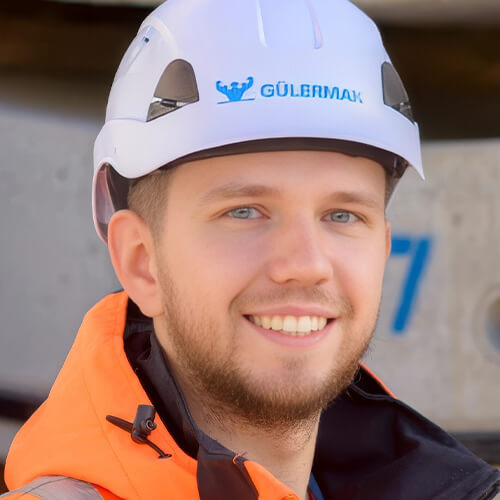
Paweł Bielak
Between tunnels: design and implementation challenges in the construction of the second metro line connectors
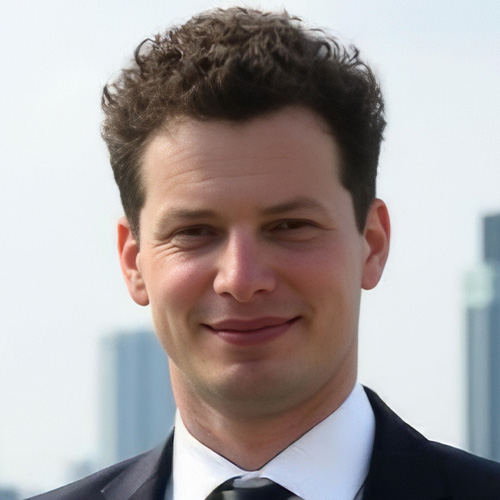
Paweł Kraciuk
KDP tunnels constructed using VD TBMs
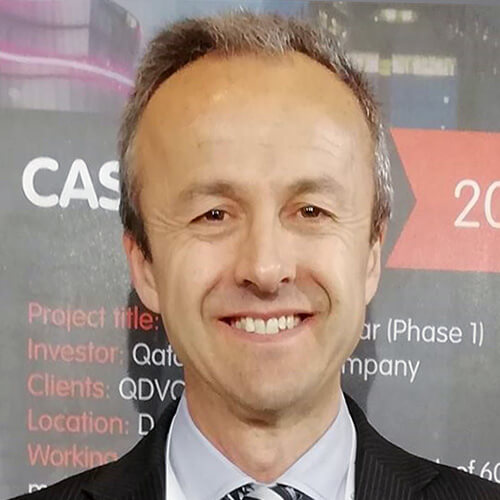
Bruno Rossi
Successful usage of steel fibres in the Parisian Metro network expansion
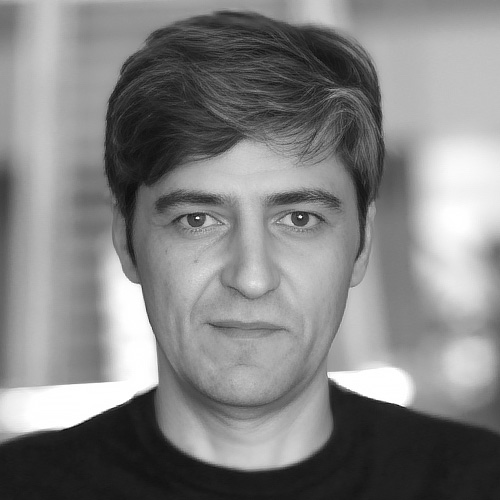
José Manuel Suárez Díaz
Wielkośrednicowe tunele TBM w trudnych warunkach geologicznych – ograniczenia, ryzyka i dobre praktyki – studium przypadku Dubai Stormwater Tunnel
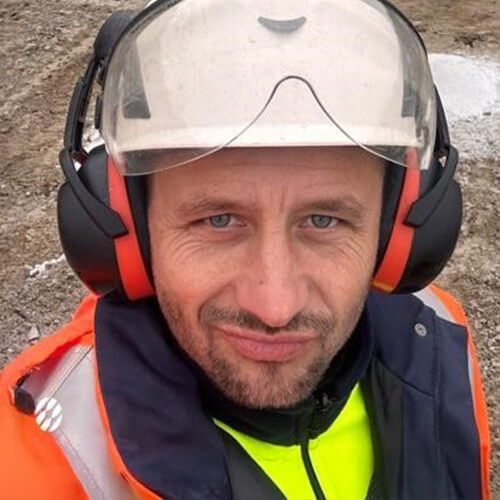
Robert Kaczor
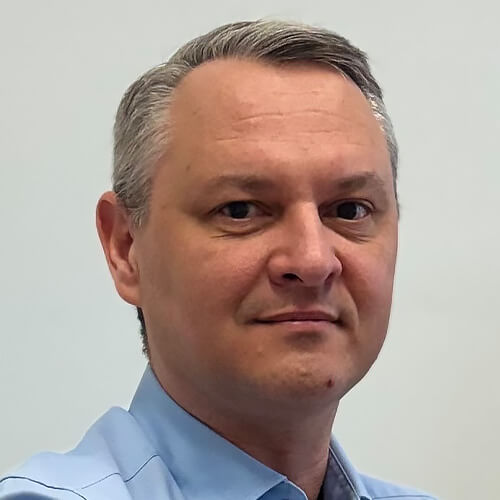
Bartosz Szatan
Safety, efficiency, innovation – SANDVIK Group technologies in tunnels
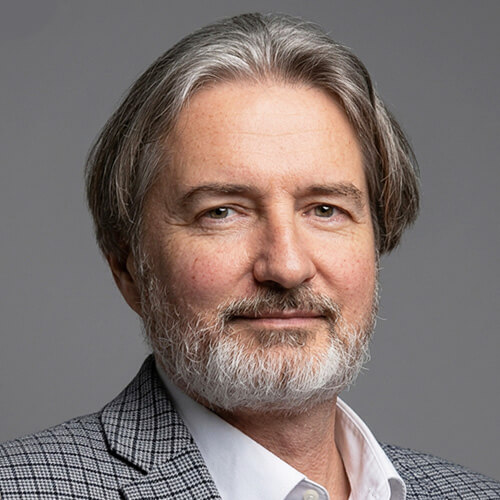
Kazimierz Liver
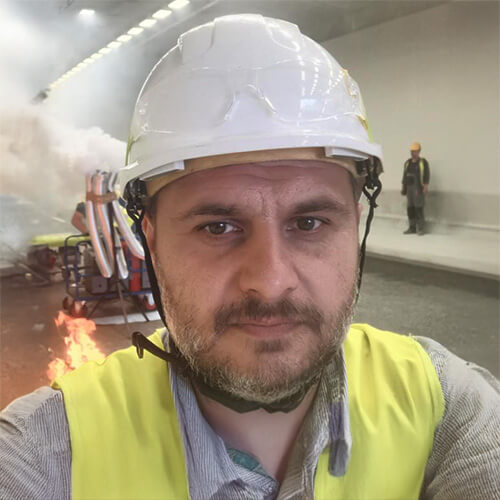
Robert Zapała
Safety systems in tunnels and their impact on the safety of users and rescue teams, as illustrated by the integration of three road tunnels—the S1 Węgierska Górka Bypass project and the Laliki Tunnel
12:00 - 12:30
Coffee break
12:30 - 14:45
Session II
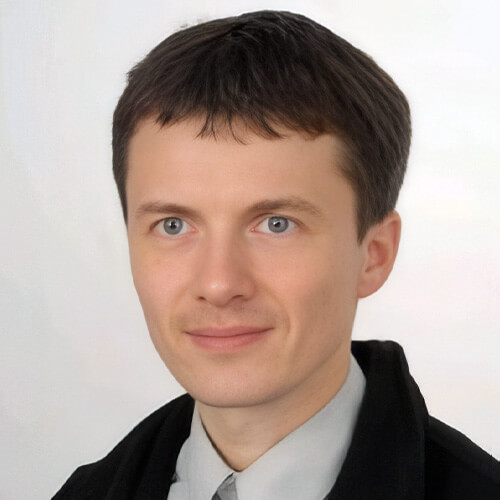
dr hab. Radosław Mieszkowski, prof. UW
The potential applications of the seismic borehole tomography (SBT) method for an urban tunnel construction project
Translated with DeepL.com (free version) 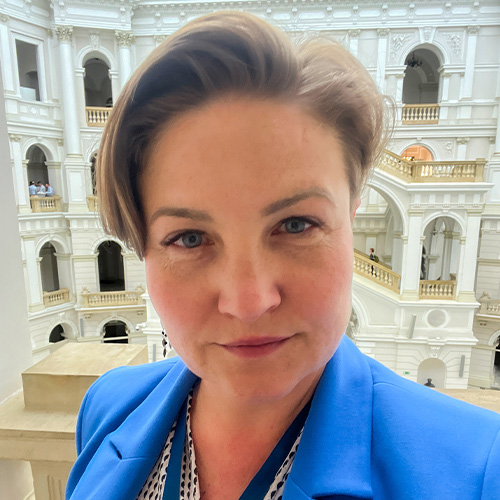
Julita Borkowska
The Oder River Tunnel as part of the ZOS Corridor – Design and Construction Constraints and Challenges
Piotr Grawicz
The construction of the new Podłęże–Szczyrzyc–Tymbark/Mszana Dolna railway lines and the modernization of Line 104—PLK SA’s largest investment in southern Poland
Krzysztof Migdał
Współautor:
dr hab. inż. prof. AGH Kajetan d’ObyrnTunnels for Residents – Utilizing the Space Above Tunnels: The Case of Sections of Kraków’s Third Ring Road, Both Completed and Planned
Piotr Dawidziuk
The lining of a railway tunnel excavated using the Norwegian Tunnel Construction Method – a case study
The railway tunnel discussed in this paper will be excavated primarily in a blocky rock mass consisting of high-strength metamorphic rocks. The design of the tunnel lining was based on limit equilibrium methods (block theory) and numerical modeling, treating the rock mass as a pseudo-discontinuous medium. In zones with low-quality rock mass, however, the rock mass was modeled as an equivalent continuous model, and the lining was reinforced with reinforced shotcrete ribs (RRS). 
Aleksander Bohdziewicz
Comprehensive and long-lasting concrete protection
Darosław Demski
Polymer injections as an alternative to traditional soil stabilization methods in tunnel construction
Polymer injections complement technologies based on mineral materials. In this method, a polymer resin—most commonly a highly modified polyurethane resin—is injected into the ground under pressure. This material penetrates the soil structure, forming a resin-soil composite with high compressive strength. The injection is performed using a two-component pump through injection lances of appropriate length. An additional advantage of this technology is its very short reaction time—the resin sets within a few dozen seconds (the setting time can be adjusted) and remains unaffected by the presence of water in the soil, even under conditions of water flow.
The use of resins in grouting work during tunnel construction can significantly reduce construction time, thereby lowering project costs and improving safety during the construction process.
Monika Aszklar
Monitoring during the construction of the second metro line in Warsaw
Michał Wychowański
Monitoring of infrastructure structures
Barbara Michalska
The Świna River Road Tunnel after acceptance and commissioning
Marcin Derlacz
The impact of soil relaxation on the environment, as exemplified by the construction of a deep tunnel in an urban area
14:45 – 15:40
Lunch break, tour of the exhibition
15:40 – 16:40
Panel discussion
REAL CONCLUSIONS FOR THE INDUSTRY: From experience to the future – how to prepare infrastructure investments for the next decade
Speakers:
dr inż. Agnieszka Stopkowicz
dr hab. inż. Jędrzej Wierzbicki, prof. UAM
16:40 – 16:50
Award Ceremony
16:50
Closing of the Congress
19:30 – 23:00
Dinner
9:30 – 13:00
Site Visit to the Construction Sites of Metro Line 2: Tunnels, Passenger Stations, and Maintenance and Parking Station
Itinerary: Descend into Tunnel D02 (TBM-bored) from C01 Połczyńska Station, proceed through Tunnel D01 (with slotted walls) to the Mory Support Facility – visit the technical facilities and return to the meeting point.