
ONE CONGRESS = MANY OPPORTUNITIES

Two congress
rooms

Discussion
panels

Lectures
by experts

Exhibition

Networking

Field
session

Attractions

and much more
Congress topics*
-
GEOENGINEERING IN CONSTRUCTION
- Leading, representative, characteristic parameters… i.e. what and how should characterize the building substrate
- Issues related to the construction of buildings in complex mineral-organic soil conditions
- “Strong soils with poor recognition” – i.e., risks associated with foundation in gyttja
- Geostatistics – modern methods of geological and geotechnical data interpolation
- Do soil sample quality classes according to Eurocode solve the problem of the reliability of geotechnical laboratory tests?
- Securing slopes and hillsides in rock massifs
- Sustainable geotechnics: use of recycled materials and reduction of the carbon footprint of geotechnical structures
- Modern materials and durability of geotechnical structures
- Selection of solutions, machines, and technologies
- Stability assessment and design of deep excavation protection in Carpathian flysch conditions
- Durability of earthworks – selection of appropriate methods
- Geocomposites – directions for development. Technological progress and dead ends in research.
-
TUNNEL CONSTRUCTION
- Implementation of investments with an emphasis on geology
- Design and construction of tunnels in soil and rock mass – tunneling techniques, differences and similarities
- Subsoil investigations and geotechnical models: Soil investigation methods (e.g., drilling, probing), creation of 3D geological models, prediction of soil behavior
- Tunneling in urban areas
- Deformation and settlement control: ground monitoring systems on the surface and inside the tunnel (e.g., precision levelling, inclinometers), methods for preventing excessive settlement (e.g., compensation injections)
- Monitoring systems for existing structures (buildings, engineering structures, technical infrastructure), data interpretation, and technical responses during tunnel boring
- Tunneling in various soil conditions – challenges in selecting technologies, machines, and solutions
- Innovative materials and mixtures: research into new concrete compositions (e.g., self-compacting, fiber-reinforced), the role of chemical additives, ecological aspects of production (e.g., low-emission cement)
- Design and technological aspects of tunnel sealing (e.g., sealing rings, injections), groundwater lowering techniques (drainage), and impact on the aquatic environment
- Ventilation and smoke control: ventilation system design, fire safety standard requirements
- Intelligent traffic management systems: integration of traffic signals, video surveillance, and incident detection systems
* The topics presented are preliminary and subject to change. We encourage you to submit your comments and suggestions.
Preliminary Congress Agenda
Tuesday, April 14
9:00 – 9:30
Opening of the Congress
9:30 – 10:30
SESSION II
What lies ahead in infrastructure projects – plans, experiences, and challenges
10:30 – 11:30
PANEL DISCUSSION
Geological, mining, and construction law – regulatory consistency as the foundation for efficient investment implementation
11:30 – 12:00
Coffee break
Time for networking with exhibitors
12:00 – 13:00
SESSION II
Experiences and challenges in completed infrastructure projects
13:00 – 14:00
PANEL DISCUSSION
14:00 – 15:00
Lunch break
Time for networking with exhibitors
ROOM: GEOENGINEERING IN CONSTRUCTION
15:00 – 17:00
SESSION III
From design to the selection of innovative technologies for the implementation of investments in complex and complicated ground conditions, part I
ROOM: TUNNEL CONSTRUCTION
15:00 – 17:00
SESSION IV
Od projektowania do doboru optymalnych technologii przy realizacji inwestycji – doświadczenia z budowy tuneli miejskich i pozamiejskich cz. I
20:00
Banquet
Wednesday, April 15
ROOM: GEOENGINEERING IN CONSTRUCTION
10:00 – 12:00
SESSION V
From design to the selection of innovative technologies for the implementation of investments in complex and complicated ground conditions, part II
12:00 – 12:30
Coffee break
12:30 – 14:30
SESSION VII
From design to the selection of innovative technologies for the implementation of investments in complex and complicated ground conditions, part III
ROOM: TUNNEL CONSTRUCTION
10:00 – 12:00
SESSION VI
From design to selection of optimal technologies for investment implementation – experiences from the construction of urban and extra-urban tunnels, part II
12:00 – 12:30
Coffee break
12:30 – 14:30
SESSION VIII
From design to selection of optimal technologies for investment implementation – experiences from the construction of urban and extra-urban tunnels, part III
14:30 – 15:30
Lunch break
15:30 – 16:50
SUMMARY PANEL WITH RECOMMENDATIONS FOR THE MARKET
REAL CONCLUSIONS FOR THE INDUSTRY: From experience to the future – how to prepare infrastructure investments for the next decade
16:50
Closing of the Congress
19:30 – 23:00
Dinner, evening of industry insights
Thursday, April 16
10:00 – 12:00
Field session at the construction site
Scientific Council of the Congress
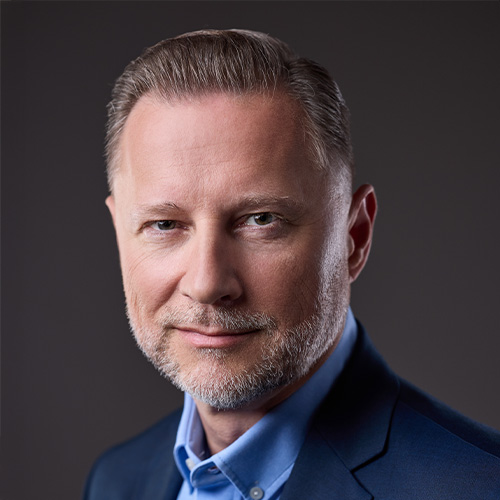
Prof. dr hab. inż. Marek Cała
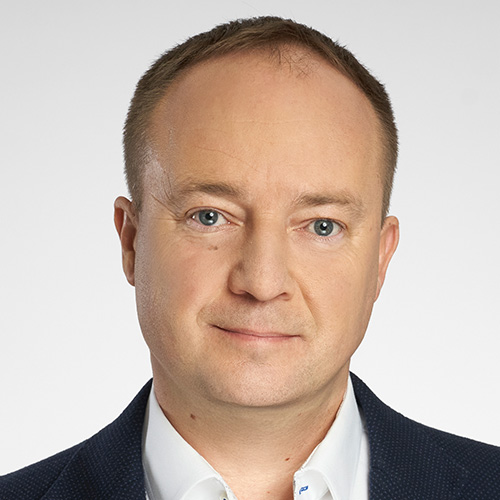
Dr hab. inż. Tomasz Godlewski, prof. ITB
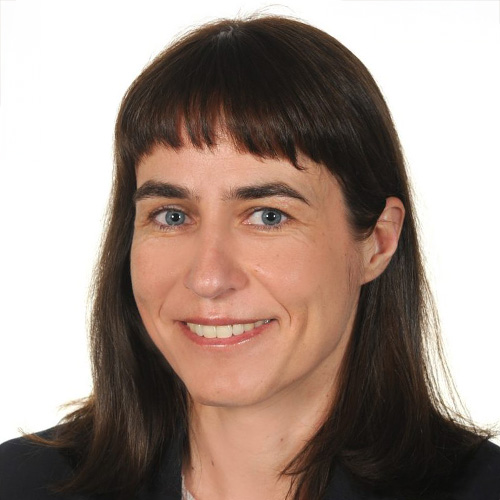
Dr hab. inż. Monika Mitew-Czajewska, prof. PW
of Technology
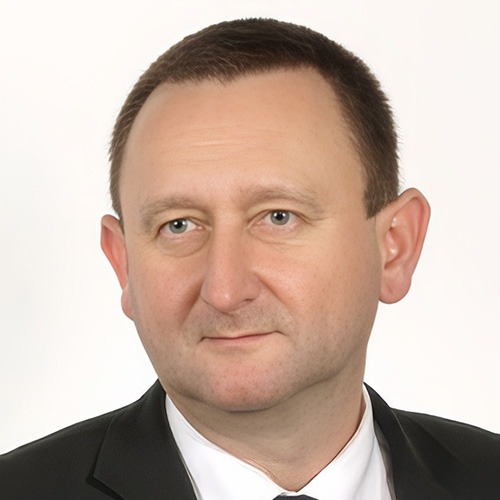
Dr hab. inż. Paweł Popielski, prof. PW
of Technology
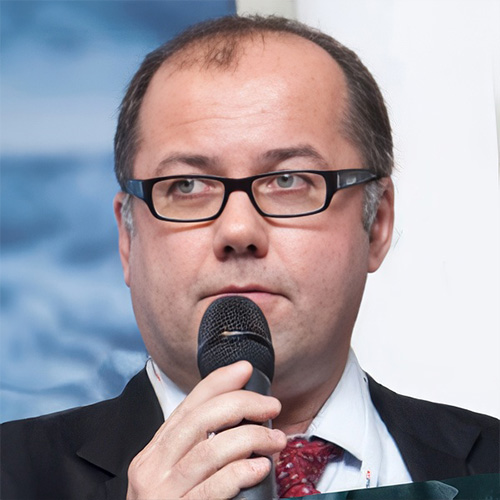
Dr inż. Jarosław Rybak
of Environmental
and Life Sciences
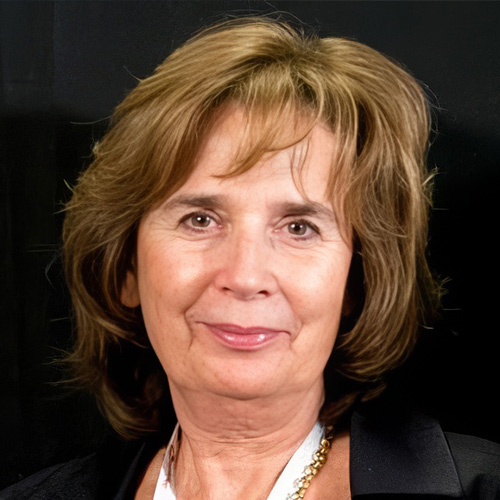
Prof. dr hab. inż. Anna Siemińska-Lewandowska
of Technology
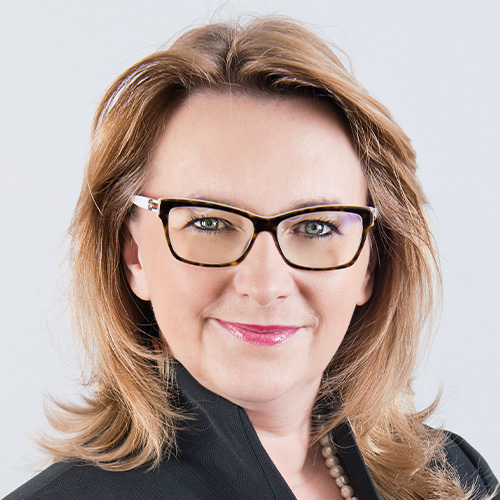
Mgr inż. Monika Socha-Kośmider
sp. z o.o.
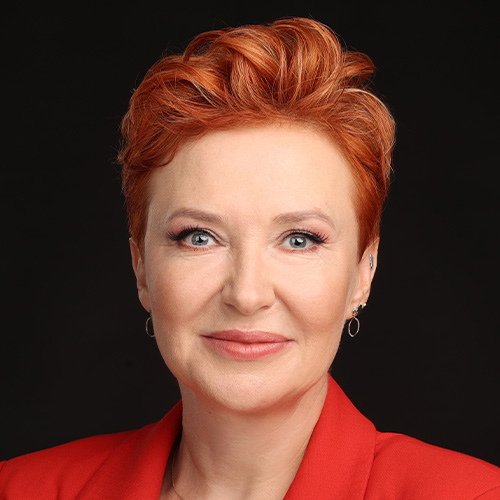
Dr inż. Agnieszka Stopkowicz
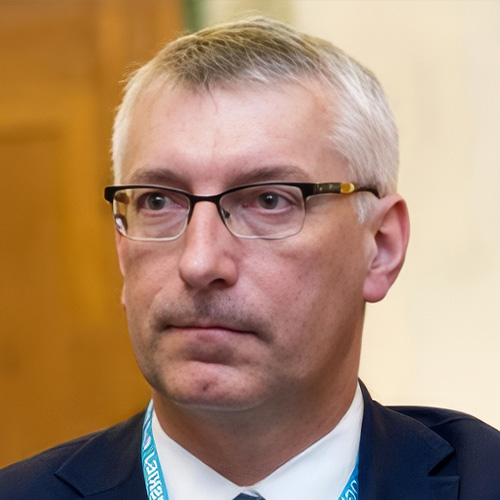
Dr hab. inż. prof. UAM Jędrzej Wierzbicki


Speakers
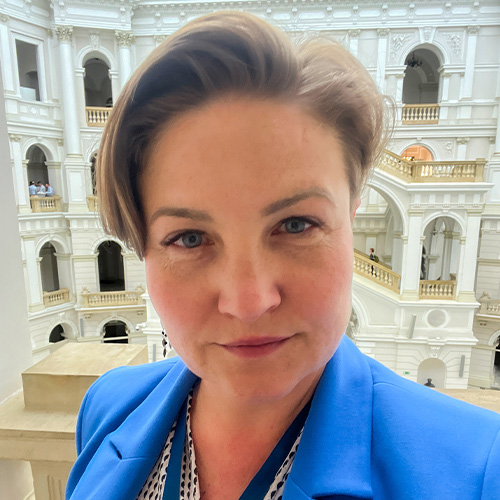
Julita Borkowska
Civil engineer, bridge engineer. Graduate of the Szczecin University of Technology and the AGH University of Science and Technology. Since 2000, she has gained experience in construction and supervision companies. Since 2007, she has worked at the General Directorate...

prof. dr hab. inż. Marek Borowski
Adaptation of existing underground facilities for civil protection purposes – technical barriers and design options In view of the growing importance of infrastructure resilience and the need to increase public safety, the possibility of using existing underground...
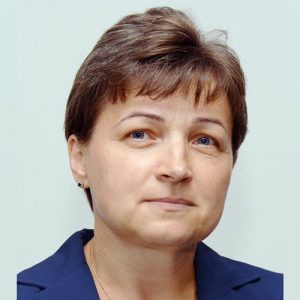
prof. dr hab. inż. Joanna Bzówka
A graduate of the Faculty of Civil Engineering at the Silesian University of Technology and the Institute of Higher Religious Culture at the Catholic University of Lublin (1993). She obtained her doctorate in technical sciences in 2002 and her postdoctoral degree in...
prof. dr hab. inż. Marek Cała
Experience gained from drilling the first tunnel tube T-1 on the S19 route His scientific and research interests include the application of numerical methods to issues of stability of engineering structures, slopes, tunnels, underground structures, and mining...
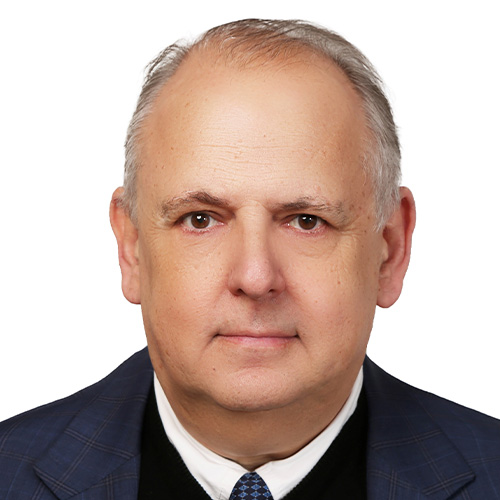
Darosław Demski
1. Effective soil stabilization and reinforcement – polymer injections in engineering practice Dynamic technological development in the field of building materials chemistry opens up new opportunities for introducing innovative technological solutions. The same...
Marcin Derlacz
The impact of soil relaxation on the environment, as exemplified by the construction of a deep tunnel in an urban area
dr hab. inż. Tomasz Godlewski, prof. ITB
“Strong soils with poor recognition” – i.e., risks associated with foundation in gyttja Since 2001, he has been a researcher at the Building Research Institute, currently at the Department of Building Structures, Geotechnics, and Concrete, where he holds the position...
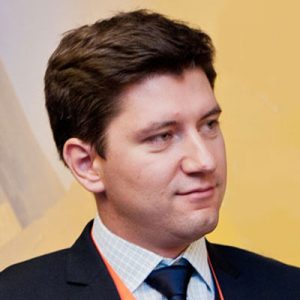
Michał Januszewski
Executive Director, ArcelorMittal Commercial RPS.
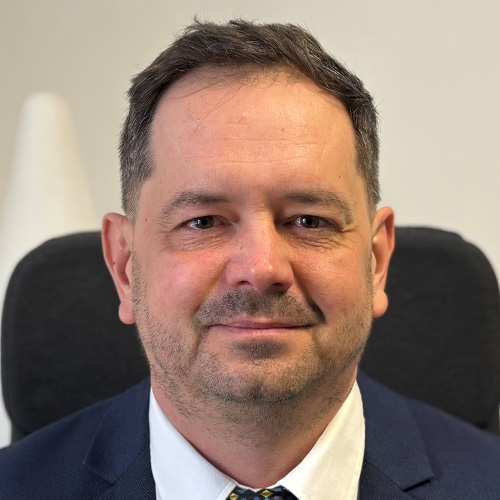
dr hab. inż. Sławomir Kwiecień, prof. PŚ
Dynamic replacement – practical aspects of application Dynamic replacement is one of the methods of soil reinforcement in geotechnical engineering. The specific nature of the technology (forming columns of aggregate with heavy rammers dropped from a height of up to 25...
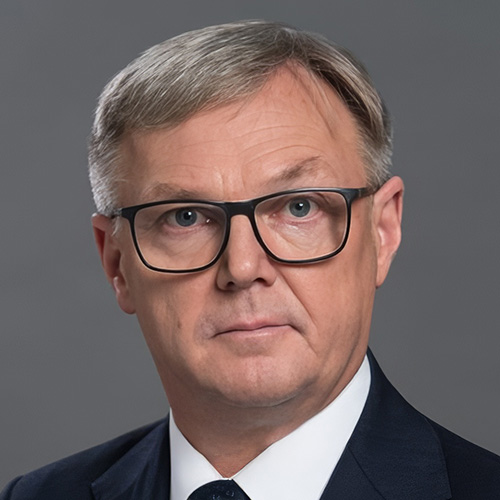
Tomasz Latawiec
Graduate of the Warsaw University of Technology (Faculty of Civil Engineering) and postgraduate studies in “Construction contracts according to Polish and international procedures” at the Gdańsk University of Technology (Faculty of Civil and Environmental...
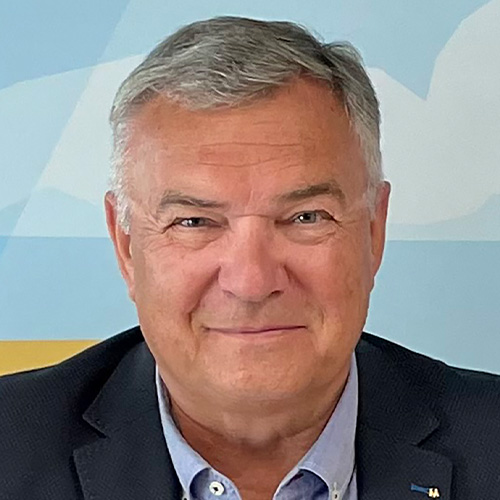
dr inż. Jerzy Lejk
A graduate of the Faculty of Civil Engineering at the Warsaw University of Technology, where he obtained a master's degree in civil engineering. He began his professional career at the Warsaw Development Planning Office, and then gained knowledge and experience...
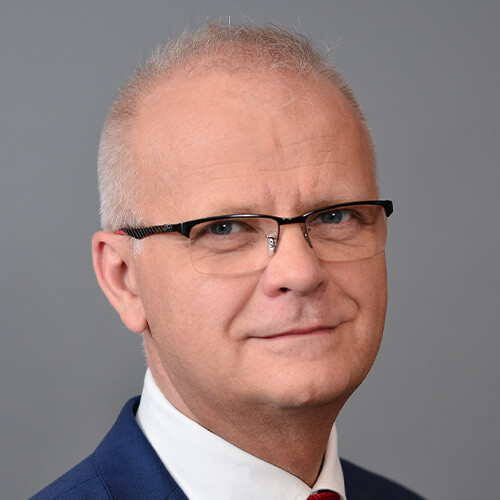
Piotr Litwa
Participant in the discussion panel “Geological, mining, and construction law – regulatory consistency as the foundation for efficient investment implementation” Graduate of mining and geology at the Faculty of Mining of the Silesian University of Technology. In 1997,...
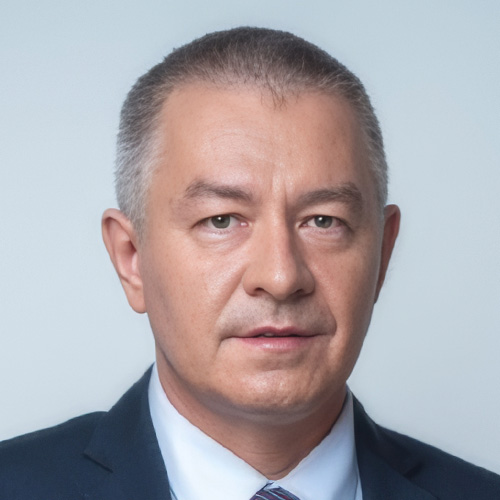
dr hab. inż. Marian Łupieżowiec, prof. PŚ
He obtained his PhD in technical sciences in 2004 and his postdoctoral degree in 2022. Since March 2023, he has been employed as an associate professor at the Department of Geotechnics and Roads at the Silesian University of Technology. Since September 2024, he has...
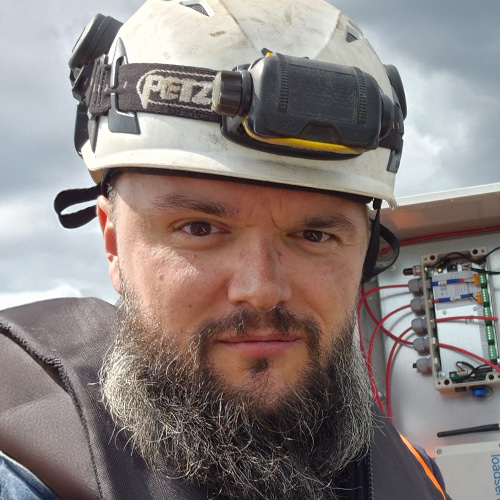
Michał Maj
Monitoring of flap anchors during the construction of the T5 Baltic Hub terminal Hydrotechnical projects implemented in Poland in recent years are undertaken with increasing boldness, momentum, and technical scale. One such project is the construction of the Baltic...
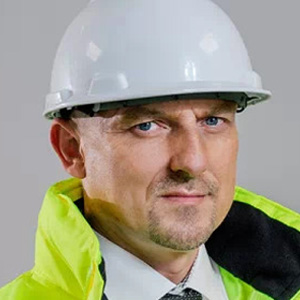
Krzysztof Migdał
Graduate of the Krakow University of Technology. Co-author of the Study of the Basic Bicycle Route System of the City of Krakow, representative for the implementation of the project (MAO) “Reconstruction of the tram line on the section Rondo Mogilskie–al. Jana Pawła...
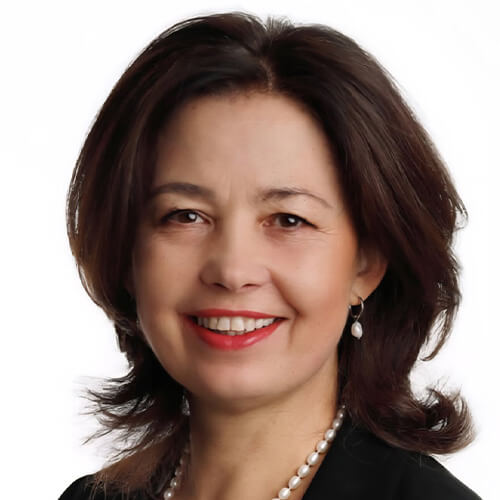
Barbara Michalska
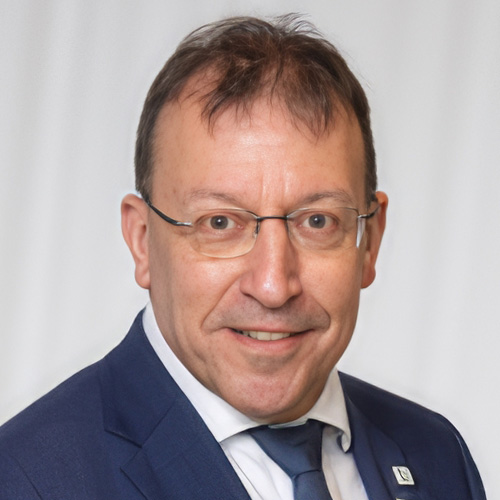
Johan Mignon
Oosterweel Connection (De Oosterweelverbinding) – implementation and current status of works in AntwerpOosterweel Connection (De Oosterweelverbinding) – implementation and current status of works in Antwerp He graduated from Brussels in 1988. He began his professional...
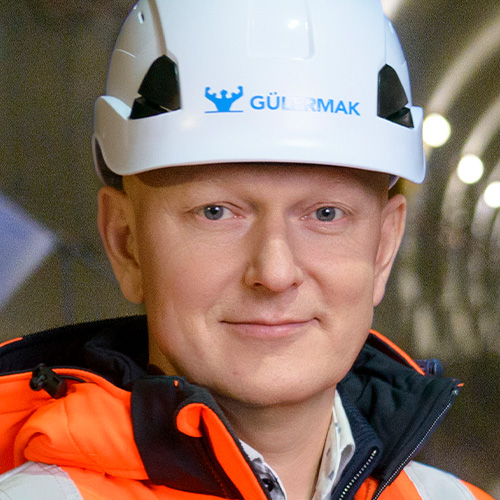
Tomasz Meler
Between tunnels: design and implementation challenges in the construction of the second metro line connectors The speaker will discuss key aspects of the design and construction of connections between tunnels on the second metro line, with particular emphasis on...
dr hab. inż. Paweł Popielski, prof. PW
Use of observational methods and monitoring to predict the impact of investments located in the immediate vicinity of underground infrastructure The use of observational methods and monitoring to predict the impact of investments located in the immediate vicinity of...
dr hab. inż. Monika Mitew-Czajewska, prof. PW
A graduate of the Faculty of Civil Engineering at the Warsaw University of Technology. She also obtained her doctorate at the Warsaw University of Technology. She is a research and teaching staff member at the Institute of Roads and Bridges, in the Department of...
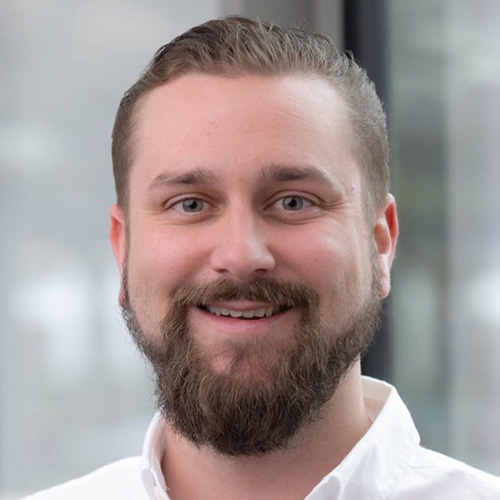
Johannes Müller
From Copenhagen to Hong Kong – practical experience with rotary vibration drilling technology The latest developments in foundation engineering highlight the growing demand for effective, low-impact, and high-performance drilling technologies. The presentation will...
prof. dr hab. inż. Anna Siemińska-Lewandowska
Longitudinal settlement basin above tunnels bored with a mechanized shield Head of the Department of Geotechnics, Bridges, and Underground Structures, Warsaw University of Technology. Author of over 150 publications on tunnel construction and the design and...
dr inż. Agnieszka Stopkowicz
Stability assessment and safety design for deep excavations in Carpathian flysch conditions Dr inż. Agnieszka Stopkowicz – expert in geotechnics, geomechanics, mining, tunnel construction, and special construction. Her scientific and research activities focus on the...
dr inż. Jarosław Rybak
Assistant professor at the Department of Geotechnics, Hydrotechnics, Underground and Water Engineering at the Faculty of Civil and Water Engineering at Wrocław University of Technology. He studied at Wrocław University of Technology, where he obtained his doctorate in...
Monika Socha-Kośmider
Chairwoman of the Congress “Geoengineering and Underground Construction.” Co-founder of Wydawnictwo Inżynieria sp. z o.o. Graduate of the AGH University of Science and Technology in Krakow. For over two decades, she has been promoting knowledge and new technologies in...
prof. dr hab. inż. Andrzej Truty
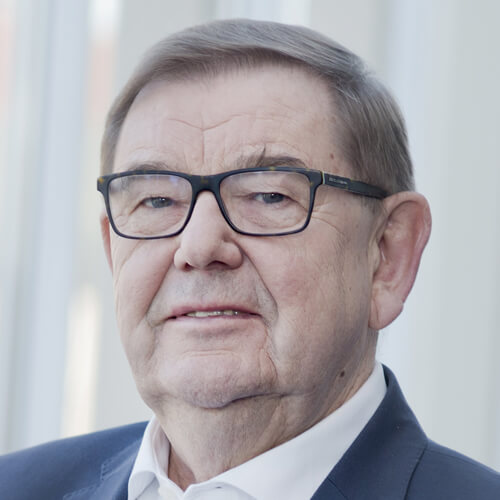
Ryszard Trykosko
A civil engineer, manager, and community activist who has been associated with Gdańsk for over 50 years. A graduate of Gdańsk University of Technology, where he completed his studies at the Faculty of Civil Engineering and earned a degree in management. A construction...
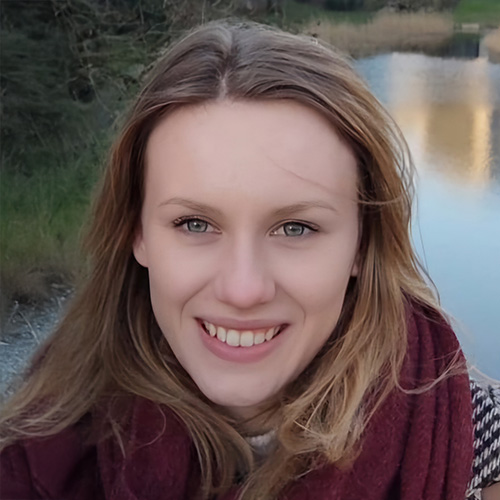
dr inż. Natalia Wielgocka
Satellites and drones – is it possible to monitor movements inexpensively? Growing requirements for infrastructure safety and control of the environmental impact of investments are driving demand for fast and reliable methods of monitoring displacement. Traditional...
dr hab. inż. prof. UAM Jędrzej Wierzbicki
Geostatistics in practice – on the separation of homogeneous geotechnical layers and filling gaps in soil reconnaissance Graduate of geology at Adam Mickiewicz University in Poznań and civil engineering at Poznań University of Technology. Member of Technical Committee...
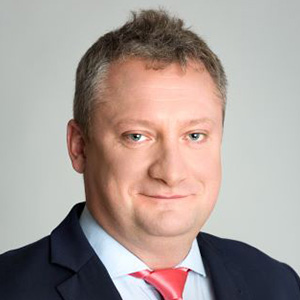
Michał Wychowański
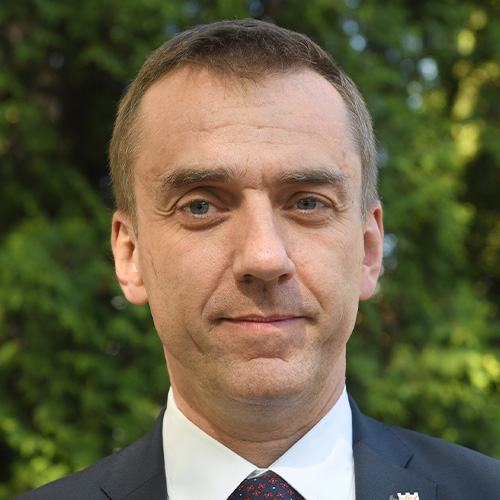
prof. dr hab. inż. Andrzej Szarata
He was born in 1975 in Krynica-Zdrój. He graduated from High School No. 1 in Nowy Sącz. In 1999, he graduated from the Faculty of Civil Engineering at the Silesian University of Technology in Gliwice (major: road and highway construction), ranking among the top 5% of...

prof. dr hab. inż. Katarzyna Zabielska-Adamska
Representative
Do you have any additional questions?
WE ARE AT YOUR SERVICE
Participation and partnership issues:
Substantive issues:
Miejsce kongresu
HOTEL AIRPORT OKĘCIE ****
WARSAW
ul. Komitetu Obrony Robotników 24
02-148 Warsaw, Poland
Hotel and accommodation
Take advantage of preferential pricing conditions
and book your accommodation
Partners / Patrons







General Partner

Platinum Partners
Gold Partners






Silver Partners


Media Patronage